













✉️ FIRST AND SECOND CORINTHIANS
💞 Lesson 7. A Portrait of Love
🤲 7.2 What Love Does
🌿 Love Becomes Visible in Patience, Kindness, and Faithful Endurance
📖 1. Introduction
After showing that love is indispensable, Paul now describes how it becomes visible in everyday life. For him, love is not a theory or merely a feeling, but something expressed through action. Therefore, he uses a series of verbs that show how a person behaves when the heart is filled with the Holy Spirit. True love is not measured by beautiful words but by the way we treat other people. It is revealed in patience, kindness, truthfulness, trust, hope, and endurance. In this way, Paul paints a living picture of the character of Christ.
📜 2. The Biblical Foundation
Paul writes:
“Love is patient, love is kind.”
1 Corinthians 13:4
He continues:
“Love does not delight in evil but rejoices with the truth.”
1 Corinthians 13:6
And finally:
“It always protects, always trusts, always hopes, always perseveres.”
1 Corinthians 13:7
These qualities strongly resemble the fruit of the Spirit:
“But the fruit of the Spirit is love, joy, peace, patience, kindness, goodness, faithfulness, gentleness and self-control.”
Galatians 5:22–23
🌍 3. Connection to Our Time
Our world often measures love by feelings or personal expectations. Paul, however, describes love as a conscious decision that becomes visible in daily behavior. Patience in conflict, kindness toward the weak, rejoicing in the truth, and endurance in difficult relationships make the difference visible. Especially in families, churches, and the workplace, it becomes clear whether our love is truly shaped by Christ. People often recognize the character of God not first through our words, but through the way we treat them.
💡 4. Central Message of the Lesson
👉 True love is revealed not primarily in feelings, but in a life that reflects patience, kindness, truth, trust, hope, and steadfast faithfulness.
✝️ 5. Theological Emphasis
The theological center of this lesson is that love is a fruit of the Holy Spirit and the visible expression of the character of God. Paul describes love almost entirely through verbs. In this way, he makes it clear that love is not primarily a feeling but active behavior.
The first characteristic is patience. Love remains calm even when it is hurt or disappointed. It gives people time to grow and does not react hastily. This patience reflects God’s longsuffering toward us.
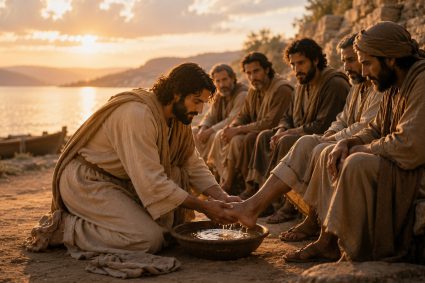
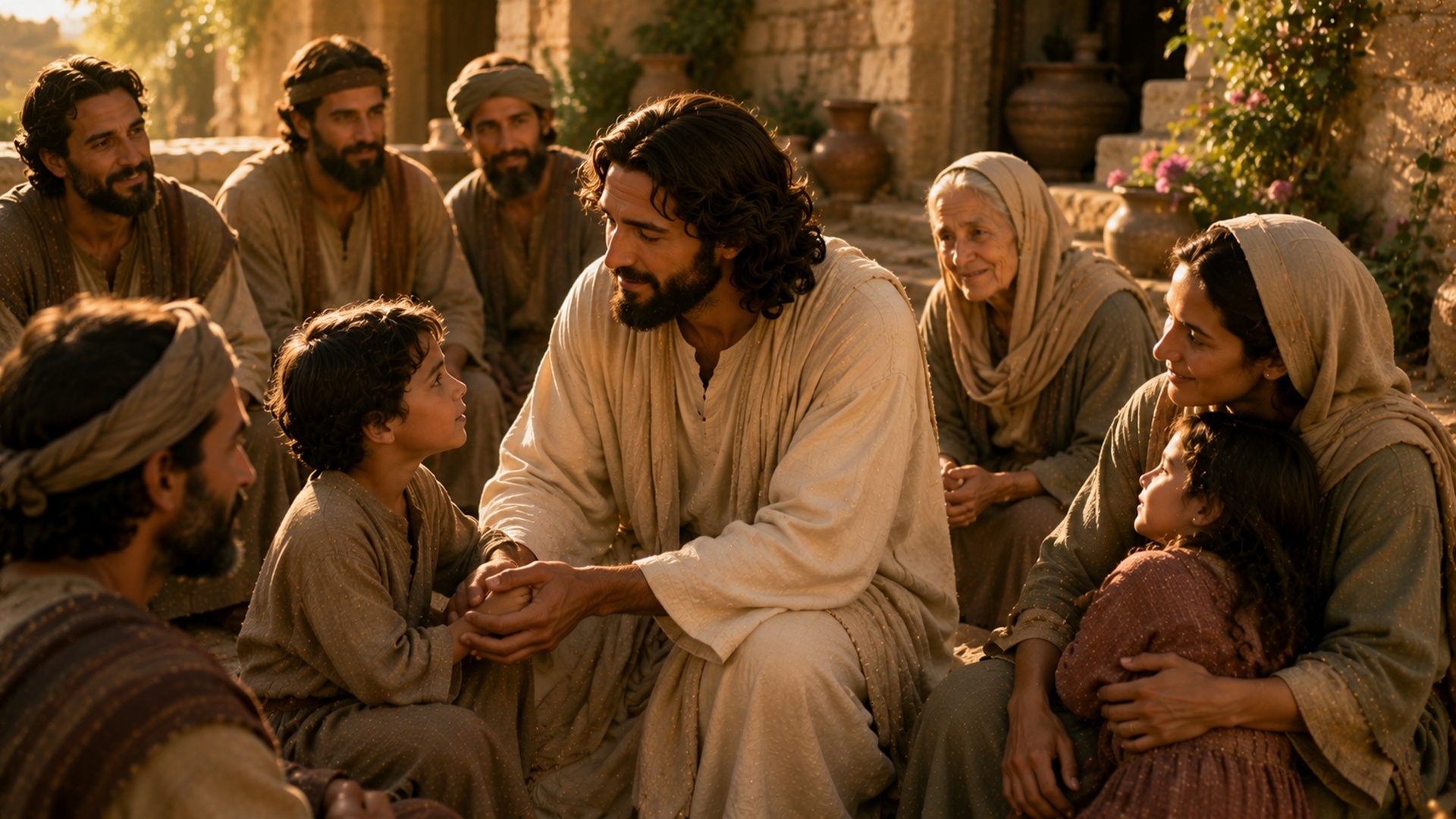
The second characteristic is kindness. God’s love does not stop at good intentions but acts. Jesus healed, comforted, forgave, and helped people. In the same way, true love actively seeks the good of others.
Love rejoices in the truth. It does not conceal what is good and does not support lies or injustice. True love unites truth and mercy. It speaks the truth, but always with the goal of healing and restoration.
Paul also names four characteristics that describe the long journey of love: It bears all things, believes all things, hopes all things, and endures all things. This does not mean that love is blind or gullible. Rather, it approaches people with trust as long as there is no reason for suspicion, never loses hope in God’s work, and remains faithful even in difficult times.
All these characteristics find their perfect fulfillment in Jesus Christ. He remained patient with His disciples, was kind to sinners, rejoiced in the truth, and endured suffering and rejection all the way to the cross. Therefore, 1 Corinthians 13 is ultimately not only a description of love but also a description of the character of Jesus.
The theological core is this: Love is the visible expression of God’s character in the life of the believer. Where the Holy Spirit is at work, He produces not only spiritual gifts but above all a character that becomes increasingly like Christ.
🌟 6. Spiritual Deepening
This lesson challenges us to examine our understanding of love. Many people associate love with strong feelings. Paul, however, connects love with endurance. Feelings may change, but divine love remains faithful.
Patience is often especially difficult for us. We want quick changes—in ourselves and in others. Yet God often works slowly. His love gives people time to repent. Those who have experienced God’s patience will also learn to be more patient with others.
Kindness also requires spiritual maturity. It is not enough simply to avoid harming anyone. Love becomes active. It looks for opportunities to do good to others. Kind words, a listening ear, or practical help can all be expressions of the love of Christ.
Particularly challenging is the statement that love believes all things and hopes all things. Paul does not mean naive gullibility. Rather, love chooses not to give up on people too quickly. It sees not only their present condition but also what God can make of them.
Love also remains faithful when the way becomes difficult. It endures through trials, disappointments, and suffering. This perseverance is not merely human willpower but the work of the Holy Spirit.
When we consider these characteristics, we quickly recognize our limitations. No one lives them perfectly. Therefore, 1 Corinthians 13 should not discourage us but point us to Christ. He alone lived this love perfectly and desires to make it grow in our lives through His Spirit.
The closer we come to Jesus, the more naturally patience, kindness, truth, and hope will shape our thinking and actions. In this way, our lives become a reflection of His love.
🔧 7. Application in Everyday Life
Practical Steps:
- Practice patience, especially with people who are different from you.
- Intentionally look each day for an opportunity to do something good for someone.
- Always combine truth with kindness and respect.
- Do not give up on people too quickly, but pray for them.
- Trust that God can change hearts.
- Remain faithful and hopeful even in difficult relationships.
- Ask the Holy Spirit daily to develop the character of Christ in you.
- Before every decision, ask yourself: Does my behavior reflect the love of Jesus?
❓ 8. Reflection Question
Which of these seven characteristics of love is the most difficult for me—and how does Christ want to transform this particular area of my life?
🌟 9. Closing Thought
Paul describes love as a life marked by patience, kindness, truth, trust, hope, and endurance. These qualities do not arise from our own effort but from fellowship with Christ. The more we experience His love, the more it will transform our thinking, speaking, and actions. In this way, our lives become a visible testimony to the gospel. True love is therefore not merely a virtue—it is the character of Jesus taking shape in His followers through the Holy Spirit.
“Love is patient, love is kind.”
1 Corinthians 13:4 🤲🌿🙏✨
