







👤 The Biblical Person of the Day
👑 Manasseh – the King Who Fell Deeply and Found Grace
📌 Profile
- Name: Manasseh
- Time of birth: approx. 8th–7th century BC
- Place of birth: Jerusalem
- Time of death: approx. 7th century BC
- Age: 67 years
- Occupation: King of Judah
📖 Short Story
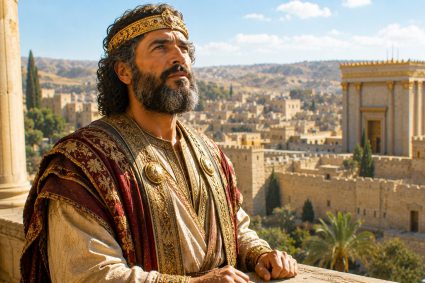
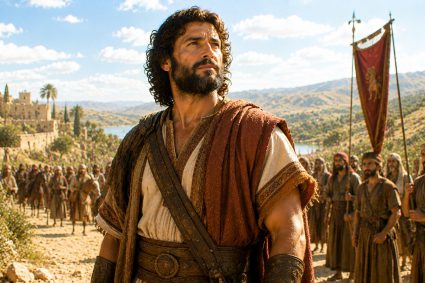
Manasseh was the son of Hezekiah and became king of Judah when he was still very young. His father had led the people back to God, cleansed the temple, and acted courageously against idolatry.
But Manasseh chose a completely different path. He undid much of what his father had built and led Judah deeply into idolatry.
He rebuilt the high places, erected altars to foreign gods, and even placed an idol in the house of the Lord. In doing so, he desecrated the place that was meant to belong to God alone.
Manasseh led Judah into serious sin. The Bible describes his reign as a time of great spiritual darkness.
Yet God did not leave Manasseh without warning. The Lord spoke to him and to the people through His servants, but they did not listen.
Finally, Manasseh was captured by the commanders of the king of Assyria and taken to Babylon. There, in his distress, he humbled himself deeply before God.
God heard his prayer and brought him back to Jerusalem. Afterward, Manasseh recognized that the Lord is God. His story shows that God’s grace can reach even a person who has fallen very deeply when that person truly humbles himself.
🔥 The Decisive Moment
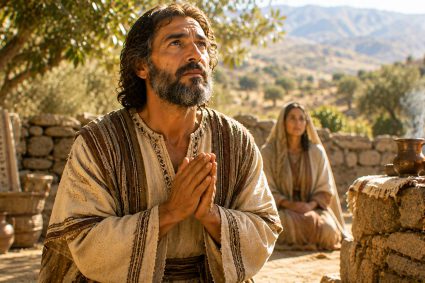
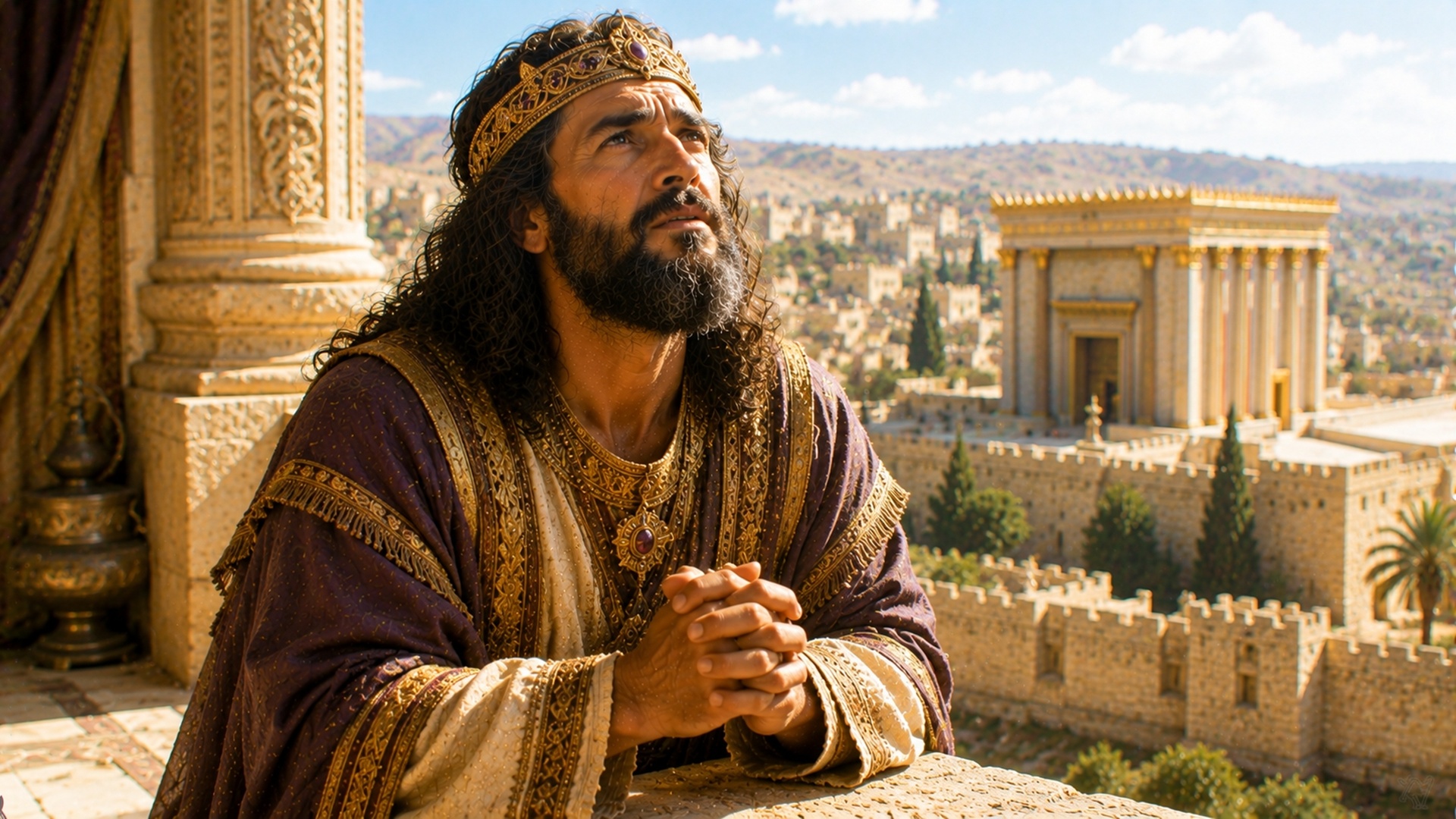
Manasseh humbles himself before God while in captivity, prays earnestly, and experiences unexpected grace.
✨ 7 Special Things About Manasseh
- He was the son of King Hezekiah
- He became king at the age of twelve
- He reigned in Jerusalem for fifty-five years
- He led Judah deeply into idolatry
- He desecrated the temple with foreign altars
- He was taken captive by Assyria
- He later humbled himself before God and was restored
⚖️ Strengths & Weaknesses
✔ humbled himself before God in the end
✔ later recognized the Lord as God
✔ tried to correct some things after his repentance
✔ demonstrates the depth of God’s mercy
❌ led Judah into serious idolatry
❌ caused great spiritual damage through his sins
❗ The Mistake That Shaped Him
Manasseh abandoned the path of his father Hezekiah and led Judah into idolatry, injustice, and spiritual darkness.
➡️ His story shows that a person can fall very deeply, but also that genuine humility before God can open a way back.
📜 Key Verse
“In his distress he sought the favor of the Lord his God and humbled himself greatly before the God of his ancestors.” (2 Chronicles 33:12)
🧠 The Life Lesson
No fall is too deep for God’s grace when a person truly humbles himself and turns back to God.
🎯 Application for Today
Let us not minimize sin, but neither should we despair of God’s mercy. Whoever turns back to Him may hope that God can still save, forgive, and restore.
❓ Question for You
Where do you need the courage today to humble yourself honestly before God and turn back to Him?
📌 Context
Manasseh ruled Judah after his father Hezekiah and before his son Amon. His long reign had profound spiritual consequences for the people.
🔗 Connection
Manasseh is connected with Hezekiah, Amon, Josiah, and the history of Judah before the Babylonian exile.
Conclusion:
Manasseh reveals the devastating power of sin, but also the astonishing depth of God’s grace. His life calls us to take God’s warnings seriously and not to delay repentance, but when we do return, to do so sincerely.
See you tomorrow with the next biblical person! 📖
✨ The Life Story ✨
✨ The Life Story of Manasseh – From Apostasy to Humility ✨
🌄 A Son of Hezekiah
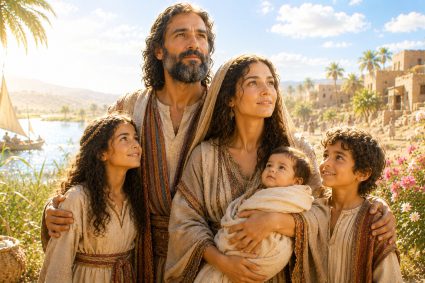
Manasseh was born as the son of Hezekiah. His father was a king who had brought spiritual renewal to Judah. Hezekiah had reopened the temple, restored worship, and called the people to return to the Lord.
Manasseh therefore grew up in a household where he could hear about God’s deliverance and Hezekiah’s trust. He knew the story of how God had protected Jerusalem from Assyria.
But a good heritage cannot replace a personal decision. Manasseh had to choose for himself whether he would follow his father’s path or turn away from God.
👑 A Young King
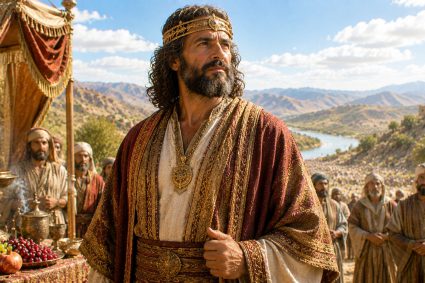
Manasseh became king at the age of twelve. He was still very young when responsibility for Judah was entrusted to him.
His reign was exceptionally long. He sat on the throne in Jerusalem for fifty-five years.
Such a long reign could have become a great blessing. But because Manasseh chose the wrong path early on, his influence became a serious spiritual danger to Judah.
🔥 A Return to Idolatry
Manasseh reversed much of what Hezekiah had removed. He rebuilt the high places, erected altars to Baal, and made Asherah images.
He worshiped the host of heaven and introduced practices that God had explicitly forbidden. As a result, the people were drawn ever more deeply into false worship.
Especially serious was the fact that Manasseh set up altars in the house of the Lord. The temple, which was meant to bear God’s name, was desecrated by foreign worship.
💔 A King Who Led Others Astray
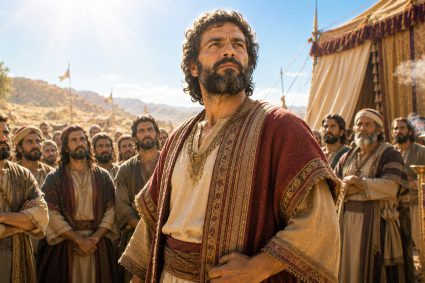
Manasseh’s guilt did not remain private. As king, he influenced the entire nation. The Bible says that he led Judah to do more evil than the nations the Lord had driven out before Israel.
This shows the serious responsibility of a leader. When a person with influence turns away from God’s path, he often draws many others with him.
Manasseh’s life was therefore shaped not only by personal sin but also by the damage his leadership caused among the people.
📣 God’s Warnings
God did not leave Manasseh and Judah without warning. He spoke through His servants, the prophets, and called them to repentance.
But Manasseh and the people did not listen. God’s warnings struck hearts that had become hardened.
This is one of the serious lessons of his story: When a person ignores God’s voice for a long time, the heart becomes increasingly insensitive to the truth.
⛓️ Captivity and Brokenness
Finally, God’s judgment came. The commanders of the king of Assyria captured Manasseh, bound him, and took him to Babylon.
There, the powerful king was no longer sitting on a throne but was a prisoner. His power, his altars, his idols, and his royal position could not save him.
In this deep distress, something began to happen that had not happened before: Manasseh humbled himself before God.
🙏 A Prayer from the Depths
In his anguish, Manasseh pleaded with the Lord, the God of his ancestors. He humbled himself greatly before God.
This prayer was not a superficial word but came from a broken heart. Manasseh recognized how far he had wandered from God.
And God heard him. That is astonishing: The Lord did not close His ear even to a man who had accumulated so much guilt.
🏙️ Return to Jerusalem
God brought Manasseh back to Jerusalem and restored his kingdom to him. This return was pure grace.
Then Manasseh recognized that the Lord is God. What he had once despised now became the truth of his life.
After his return, he removed the foreign gods and altars and restored the altar of the Lord. He commanded Judah to serve the Lord, the God of Israel.
⚖️ Repentance with Consequences
Manasseh’s repentance was genuine, but the consequences of his earlier sins did not disappear completely. The people had been shaped for a long time by his false leadership.
His story therefore shows both realities: God’s forgiveness is real, but sin leaves traces, especially when it has influenced other people.
Those who repent late may experience God’s grace, but they cannot always undo everything that was damaged by their former path.
✨ The Enduring Message of His Life
Manasseh shows how deeply a person can fall, even when he comes from a believing home. His story makes clear that a spiritual heritage does not automatically produce faithfulness.
But it also shows that God’s mercy is greater than a long path of guilt. Whoever truly humbles himself may hope that God hears, forgives, and restores.
🌌 Closing Thought
Manasseh was one of the kings who led Judah most deeply into darkness. Yet in captivity his pride was broken, and he sought the Lord.
God heard him and brought him back. In this way, his life became both a serious warning and a powerful testimony to grace.
👉 His life story shows: Even a person who has fallen very deeply is not beyond God’s reach when he humbles himself and sincerely turns back to Him.
