








Series ALLUSIONS, IMAGES, SYMBOLS with Pastor Mark Finley
Lesson 12 .Precursors
Faith in the Fire – Lessons from the Past for the End Times
Lesson 12 takes us back to pivotal moments in biblical history where God’s people were faced with a choice: faithfulness to God or conformity to human power. Whether in Babylon or the Roman Empire, believers were persecuted for obeying God rather than man. These events are more than historical records – they are prophetic patterns for what lies ahead. Worship will again be the central issue in the final conflict, and the question remains: To whom do we give our loyalty? The past prepares us to live with courage and steadfastness in the future. God is calling us now to be faithful in the small things so we may stand firm in the great trials to come.
Content:
12.1 Daniel 2 and the Historicist Approach to Prophecy
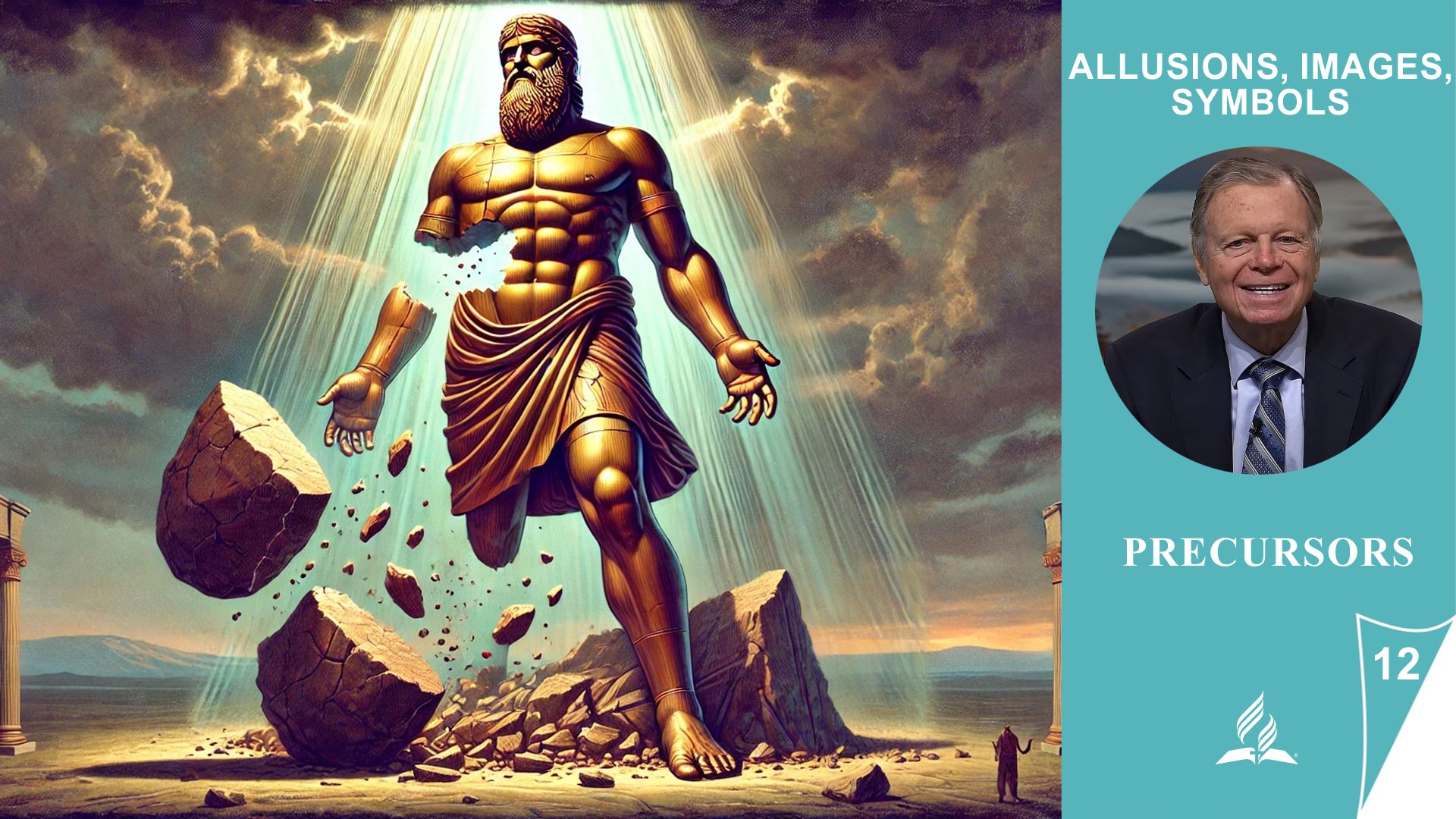
A Prophetic Statue – God’s Plan Through History
Daniel 2 is a key to understanding biblical prophecy. Nebuchadnezzar’s dream and Daniel’s interpretation outline a seamless sequence of world empires—from ancient Babylon to today’s divided Europe. This prophecy, given over 2,500 years ago, has been fulfilled in every detail, showing that God not only knows the future but directs it. The historicist approach reveals prophecy not as speculation but as history written in advance. God’s kingdom, established at the end of this sequence, is not human-made but divine intervention. Daniel 2 assures us that we are moving toward a sure outcome in God’s hands.
12.2 Worshiping the Image
Golden Compromises – When Faith Faces the Fire
Nebuchadnezzar’s golden statue was more than a political symbol—it was a direct defiance of God’s prophetic message. Rather than accepting the multi-metal statue of Daniel 2, the king demanded undivided worship for his own version of history. The three young men resisted, not out of stubbornness, but out of deep faithfulness—even under the threat of death. Their courage teaches us that true faith makes no compromises, even when “reasonable” excuses could be made. Their example calls us to be faithful in the little things so we can stand in the big ones. Even today, we face subtle “golden statues” we must not bow to.
12.3 Worshiping the Image, Again
Whom Do We Worship – the Creator or the Image?
Daniel 3 is a prophetic prelude to the events of Revelation: both describe a worship crisis under the threat of death. Just as the three friends in Babylon faced a choice, so will people at the end of time—whether to give their loyalty to God the Creator or a man-made system. Revelation 13–14 makes clear that this is not just about outward acts but inward allegiance. The Bible shows that false worship is not harmless—it is rebellion against our Creator and Redeemer. In a world of spiritual compromise, God is calling a faithful people who bow only to Him. True worship is shown in obedience—even when the cost is high.
12.4 Early Church Persecution
Persecution as Reality – and Faithfulness Despite Danger
Early Christian persecution reminds us that suffering is not the exception but part of the journey for God’s people. In Acts 12, we see both martyrdom and miraculous deliverance—James dies, Peter is freed. This tension will remain until the end of time. The story teaches that God is sovereign, even when His ways differ from our expectations. Jesus’ words to Peter, “Follow Me,” came despite the prediction of his martyrdom—because discipleship means faithfulness, even unto death. In the end times, it will become clear who responds to the call of the cross with trust and obedience.
12.5 The Mark of the Beast
The Mark – A Choice Between God’s Faithfulness and Human Authority
Revelation 13–14 reveals that the end-time issue will be about true worship—including the Sabbath as a sign of loyalty to God the Creator. Scripture shows that even Jesus was persecuted over Sabbath controversies—not because He broke it, but because He lived it with mercy. In the future, the seventh-day Sabbath will once again become a test, as human authority challenges divine command. The mark of the beast is not just an outward sign but an inward decision—who truly owns our hearts? The question is: Will we follow God’s Word or human tradition? In a world of compromise, Sabbath faithfulness becomes a quiet but powerful act of worship.
12.6 Summary
Forerunners of the End – God’s Faithfulness in Trial
Lesson 12 shows that God has repeatedly revealed patterns in history pointing to the end. From Daniel 2 to early Christian persecution, we see the great controversy unfolding between God’s commandments and human power. The faith of three young men in the fiery furnace symbolizes the faith needed in the final days. The mark of the beast and the worship conflict bring the decisive question to the forefront: To whom do we give our loyalty? The Sabbath becomes a key test of true devotion to the Creator. This lesson calls us to live faithfully now—for the trials will come, but God goes with us.

(Visited 7 times, 1 visits today)