
🥗 FOOD THAT GIVES LIFE
🌱 The Natural Foundations of Healthy Eating
🌅 Introduction to the Entire Series
Eating is one of the most natural parts of our lives. Every day, we reach for bread, vegetables, fruit, grains, legumes, nuts, or other foods to satisfy hunger and regain strength. Yet food is far more than mere fuel. With every meal, we provide our body with substances it uses to renew cells, produce hormones, support the immune system, generate energy, and regulate countless vital processes. What we eat regularly therefore influences not only our body weight, but also our digestion, physical and mental performance, sleep, mood, and long-term health.
Many people want to eat healthily but no longer know which recommendations they can trust. New diets, contradictory headlines, and supposedly revolutionary nutritional concepts appear almost every day. At one moment, carbohydrates are blamed for nearly every health problem; at another, fats are condemned. Some promise health through an especially high-protein diet, while others promote strict fasting or the elimination of entire food groups. What was considered healthy yesterday is questioned today—and may be recommended again tomorrow.
This has created a paradoxical situation: Never before have we had access to so much information about nutrition, yet rarely has there been so much uncertainty. At the same time, we live in an environment where highly processed products are everywhere. They are inexpensive, convenient, have a long shelf life, and are formulated to make us want to consume them repeatedly. They often contain large amounts of sugar, salt, unhealthy fats, or refined starch, while fiber and natural protective compounds are largely absent. Amid time pressure, advertising, and deeply rooted habits, eating can quickly become a thoughtless activity whose long-term consequences we barely notice.
This series seeks to bring clarity to the confusing world of nutrition. It will not present a short-lived fad diet or create fear of particular foods. Neither is its purpose to turn health into a burdensome project governed by rigid rules, calorie charts, or constant self-monitoring. Instead, we want to understand what the human body actually needs, how different nutrients function, and how a natural, balanced, and predominantly plant-based diet can be incorporated into everyday life.
🔬 The Body Needs More Than Calories
When we eat, an astonishing biological process begins. Food is mechanically broken down and chemically digested within the digestive system. Carbohydrates are broken down into simple sugars, proteins into amino acids, and fats into fatty acids and other components. Vitamins, minerals, trace elements, and numerous plant compounds are absorbed and transported to the places where they are needed. The body continually determines what must be used immediately, stored, converted, or eliminated.
The amount of energy alone is not what matters. Two meals may contain a similar number of calories and still affect the body very differently. A heavily sweetened beverage and a meal made from whole grains, legumes, and vegetables differ not only in their nutrients. They also influence blood sugar, satiety, digestion, the gut microbiome, and metabolism in completely different ways.
The body does not simply need as much energy as possible, but food that meets its complex needs. It needs protein, but not in unlimited quantities. It needs fat, but the type and composition of those fats matter. It needs carbohydrates, but there is a significant difference between natural, fiber-rich sources and highly refined products. It also requires vitamins and minerals, yet dietary supplements cannot fundamentally replace a balanced diet.
One of the most important questions is therefore not only: How much do we eat? Equally important is: What do we eat, how has it been processed, what do we combine it with, and how regularly do we consume it?
🌿 Back to Simplicity
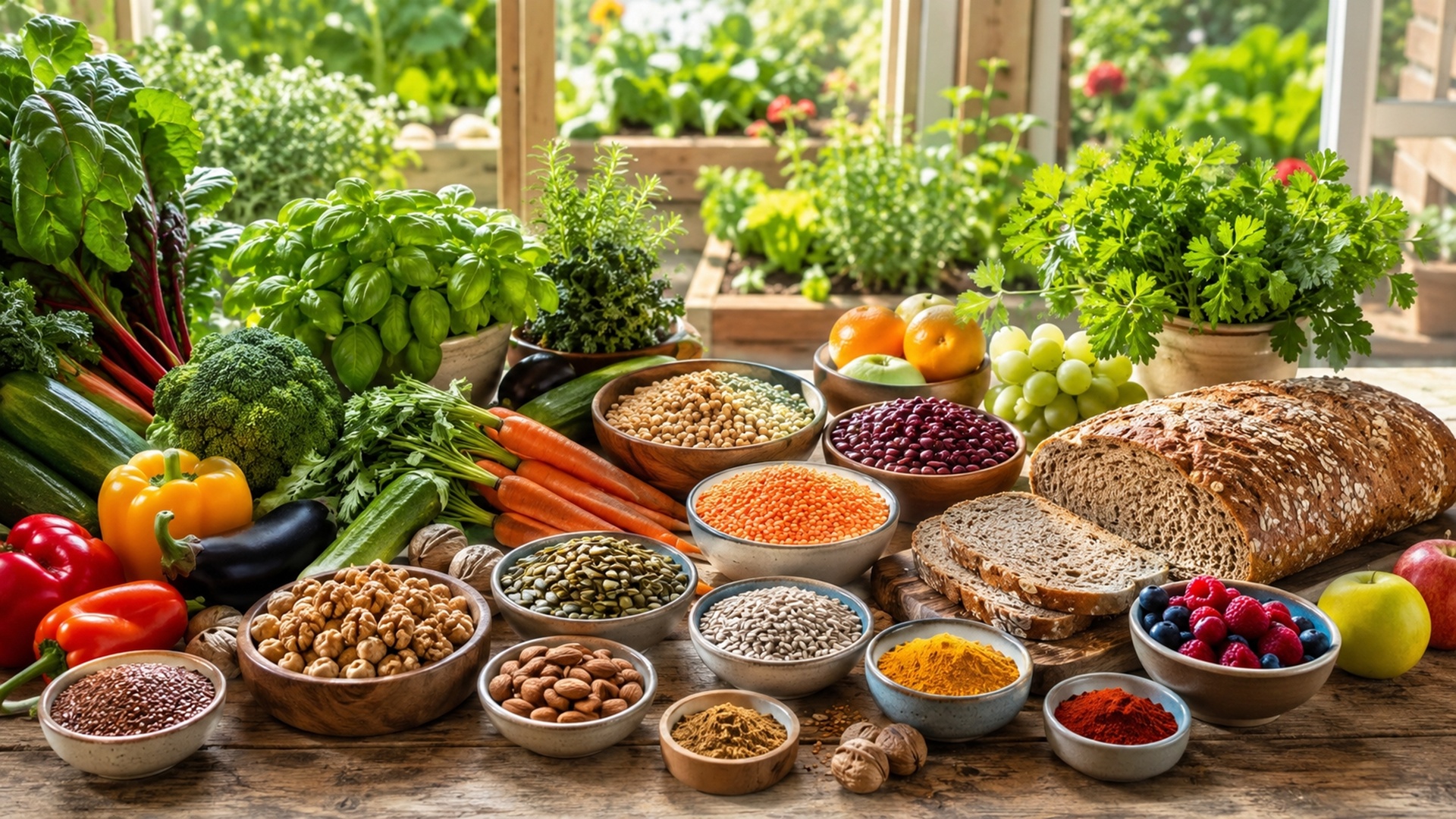
A health-promoting diet does not have to be complicated. Its foundation consists of foods that are processed as little as possible and remain recognizable in their original form: vegetables, fruit, whole grains, legumes, nuts, seeds, herbs, and other natural plant foods. They provide not merely individual, isolated nutrients, but a complex combination of fiber, vitamins, minerals, and bioactive plant compounds.
This variety is especially important. No single food contains everything the body needs. Even so-called “superfoods” cannot compensate for an unbalanced diet. Health does not come from an exotic powder, a special juice, or an expensive specialty product. What matters is the overall dietary pattern we follow over weeks, months, and years.
A natural diet can and should be enjoyable. It should not consist mainly of prohibitions, but open the door to new possibilities: different colors on the plate, fresh flavors, regional ingredients, new combinations, and simple dishes that are both satisfying and beneficial. Healthy eating is not a punishment or an expression of joyless self-discipline. It can be delicious, varied, and capable of bringing people together.
Changes do not have to happen overnight. Those who have followed certain habits for years need time to become familiar with new flavors and develop practical routines. One small but consistent step is often more valuable than a radical change that is abandoned after only a few weeks.
🧭 Not a Diet, but a Way of Life
Short-term diets often concentrate on quick, visible results. They promise weight loss within a few days or place one particular food, nutrient, or unusual eating schedule at the center. Some people achieve temporary success with them. Yet as soon as the strict rules can no longer be maintained, old habits return—often together with the weight that was lost.
This series follows a different path. It regards nutrition as part of a comprehensive way of life. Healthy eating cannot be completely separated from physical activity, sleep, stress, sunlight, water, emotional balance, and interpersonal relationships. Those who are constantly exhausted, sleep too little, or experience severe stress will often make different food choices. Conversely, a balanced diet can help the body cope more effectively with the challenges of everyday life.
We do not want to reduce health to body measurements or numbers on a scale. Weight can be an important health factor, but it is not the only standard. Blood pressure, blood sugar regulation, blood lipids, digestion, physical resilience, and psychological well-being also deserve attention. Two people with a similar body weight can have very different states of health.
Our goal is therefore not to become as thin as possible. It is to nourish the body reliably, reduce unnecessary burdens, and strengthen the habits that promote health and life over the long term.
⚖️ Knowledge Without Exaggeration
Nutrition can make a significant contribution to the prevention and supportive treatment of numerous illnesses. However, it is not a cure-all. No single food or dietary pattern can guarantee that a person will never become ill. Health is influenced by many factors, including genetic predisposition, environmental conditions, age, infections, social circumstances, physical activity, sleep, stress, and medical care.
We will therefore neither make false promises of healing nor blame people for their illnesses. An illness is not automatically proof that someone ate incorrectly or lacked faith. At the same time, it would be equally unreasonable to underestimate the influence of our daily choices. We cannot control every health risk, but we can learn to use the opportunities available to us responsibly.
Medical connections will be explained clearly throughout this series without attempting to make diagnoses. Individual adjustments may be necessary in the presence of existing illnesses, pregnancy, eating disorders, allergies, intolerances, or medication use. General dietary recommendations do not replace personalized medical advice. Major changes should be professionally supervised, particularly in cases involving diabetes, kidney disease, serious digestive disorders, or significant nutrient deficiencies.
Responsible health education is not defined by how spectacular it sounds. It acknowledges limitations, distinguishes between established knowledge and unanswered questions, and avoids absolute promises.
🛒 Health Begins in Everyday Life
Knowledge alone does not change habits. We can know exactly how healthy vegetables are and still fail to buy them. We can understand the disadvantages of heavily sweetened beverages and nevertheless drink them every day. Between knowledge and implementation stand our daily schedules, families, budgets, surroundings, and the power of established routines.
This series will therefore not stop with theoretical explanations. We will address very practical questions:
How can we create a balanced plate? How can we recognize highly processed products? Which information on food packaging is genuinely helpful? How can whole grains, legumes, vegetables, nuts, and seeds be incorporated meaningfully into our meals? What simple alternatives are available to replace sugary snacks? How can healthy cooking succeed when time or money is limited?
We will also consider meal timing, portion sizes, satiety, thorough chewing, and the way meals are arranged. The foods we select are not the only factors that influence us. It makes a difference whether we eat mindfully at a table or absentmindedly in front of a screen, whether we recognize genuine hunger or respond to every feeling of restlessness with food, and whether we allow our digestive system to rest between meals.
We will not develop unrealistic meal plans that work only under ideal circumstances. A practical way of eating must remain sustainable at work, while traveling, within the family, and when visiting others. It can be flexible without losing its fundamental direction.
🧠 Our Relationship with Food
Food affects more than the body. It is connected with memories, relationships, comfort, reward, and cultural identity. The aroma of a particular dish can immediately transport us back to childhood. Shared meals create closeness. In stressful situations, some people seek comfort in food, while others lose their appetite.
It is therefore insufficient simply to tell people what is healthy and what is unhealthy. Those who eat because of stress, loneliness, boredom, or inner unrest need more than a list of permitted foods. They need to understand which needs lie behind this behavior and discover other ways of responding to them.
Feelings of guilt are rarely helpful either. After a less healthy meal, not everything is “lost.” A single meal determines neither our health nor our personal worth. What matters is the long-term direction. We can recognize mistakes, learn from them, and begin again at the next opportunity.
Self-control does not mean despising the body or violently suppressing every desire. It means gaining freedom from habits so that not every impulse determines our behavior. This freedom grows through understanding, good preparation, patience, and repeated conscious decisions.
📖 Nutrition in the Light of the Bible
From a biblical perspective, the human body is neither a meaningless vessel nor something we may neglect as we please. We were created by God and live every moment because of His goodness. David wrote:
“I will praise You, for I am fearfully and wonderfully made.”
Psalm 139:14
The Bible begins with a picture of abundance and care. God created a world in which life could be sustained and gave humanity food:
“See, I have given you every herb that yields seed which is on the face of all the earth, and every tree whose fruit yields seed; to you it shall be for food.”
Genesis 1:29
This original diet points to the special importance of plant foods. However, it provides no reason for pride or unloving condemnation. Biblical nutrition is more than a list of ingredients. It includes gratitude, moderation, self-control, consideration for others, and responsible action.
Paul writes:
“Therefore, whether you eat or drink, or whatever you do, do all to the glory of God.”
1 Corinthians 10:31
This verse makes even the ordinary act of eating an area of spiritual responsibility. Eating to the glory of God does not mean acting out of fear or a desire to earn religious merit. It means gratefully receiving God’s gifts and using them in a way that protects life, provides strength for doing good, and avoids unnecessary harm.
At the same time, the Bible warns against turning questions of food into a standard for measuring a person’s worth. Knowledge without love leads to pride. Those who understand the principles of healthy eating are not called to control or shame others. Truth must be joined with patience, humility, and compassion.
🌾 The Adventist Perspective
Within the Adventist health message, physical, emotional, and spiritual well-being are closely connected. Health is not an end in itself, and the body is not an idol. Rather, a healthy lifestyle should help us think more clearly, act responsibly, and use our strength in the service of God and our fellow human beings.
The emphasis on a natural, balanced, and predominantly plant-based diet belongs to this perspective. Equally important are moderation, physical activity, sufficient water, fresh air, sunlight, rest, and trust in God. These principles achieve their greatest effectiveness not as isolated regulations, but as parts of a harmonious way of life.
Historical recommendations must be applied responsibly to present-day circumstances. The availability of food, medical knowledge, and individual living conditions differ. Faithfulness to a health principle does not mean applying every decision mechanically and identically to every person. A sensible application considers age, health status, access to food, and actual nutritional needs.
A well-planned plant-based diet can offer many health benefits. However, it must truly be well planned. Critical nutrients must not be ignored for ideological reasons. With a completely vegan diet, for example, a reliable supply of vitamin B12 is essential. Depending on the individual situation, vitamin D, iodine, iron, calcium, omega-3 fatty acids, or other nutrients may also require special attention. Responsibility means not only eliminating certain foods, but also nourishing the body completely and reliably.
🗺️ What Awaits Us in This Series
Our shared journey begins with the fundamentals. We will examine the functions of carbohydrates, proteins, and fats, and discover why vitamins, minerals, trace elements, and fiber are essential. We will then turn to the diversity of plant foods: vegetables, fruit, whole grains, legumes, nuts, seeds, herbs, and spices.
Afterward, we will consider factors that can burden our health. These include a high consumption of sugar, products made from refined flour, highly processed foods, unhealthy fats, excessive salt, and sugary beverages. We will not merely list the risks, but explain why these products are so appealing and what sensible alternatives might look like.
Other parts of the series will explore meal timing, shopping, food preparation, and the informed reading of ingredient lists. We will examine connections between nutrition and common illnesses, discover the world of the gut microbiome, and address emotional eating, stress, sleep deprivation, and the formation of habits.
We will not avoid difficult or controversial questions: Are carbohydrates really harmful? How much protein do humans need? Is fruit problematic because of its sugar content? Are all additives dangerous? Do we need dietary supplements? Is eating late in the evening unhealthy? What role can fasting play? How can we recognize nutritional advice that sounds scientific but lacks a reliable foundation?
In the end, knowledge should become a practical path. This includes balanced meals, simple recipes, healthy substitutions, and a gradual personal nutrition plan. Perfection is not the goal, but a sustainable way of life.
🤝 An Invitation Without Pressure
Perhaps you already eat a predominantly plant-based diet and would like to deepen your knowledge. Perhaps you are only beginning and do not know which change would be most helpful to make first. Maybe you have already tried several diets, lost weight, and regained it. Or perhaps a health warning has motivated you to live more consciously.
Regardless of where you are today, this series invites you to become better acquainted with your body. You do not have to change everything immediately. Begin with honest observation. Which foods shape your daily life? When do you eat because you are hungry, and when because of habit? How do you feel after your meals? Which changes would be realistic and sustainable?
Health rarely grows from one major decision. It usually develops through many small steps: choosing a glass of water instead of a sweetened beverage today, adding an extra portion of vegetables tomorrow, and eating whole grains or legumes more frequently next week. Small decisions may appear insignificant, but when they become habits, they can establish a new direction.
Along the way, we can ask God for wisdom, strength, and perseverance. We do not have to walk this path in our own strength. The same God who created our bodies also knows our weaknesses, circumstances, and limitations. He does not call us to anxious perfection, but to a life of gratitude, responsibility, and growing freedom.
💡 Guiding Principle of the Series
Healthy eating does not mean constantly thinking about what you are not allowed to eat. It means regularly giving your body what promotes life, strength, and health.
🎯 The First Step
Observe your eating habits over the coming days without immediately judging them. If possible, write down what you eat and drink, when you consume it, and how you feel afterward. Pay particular attention to how often natural foods and highly processed products appear in your diet. This honest assessment is not a judgment, but the starting point for intentional change.
❓ Question for Personal Reflection
Which of your current eating habits already supports your health—and which habit would you like to change step by step throughout this series?
🙏 Prayer
Dear Father in Heaven,
Thank You for my body and for the many gifts through which You sustain my life. Forgive me for the times when I have treated my health thoughtlessly or without moderation. Give me wisdom to distinguish between helpful knowledge and confusing promises. Help me make good decisions not out of fear or pride, but out of gratitude and responsibility.
Give me patience as I make changes, strength in moments of weakness, and a loving attitude toward myself and others. Protect me from making nutrition a standard by which I measure a person’s worth. Let everything I learn serve to improve my health, keep my mind clear, and enable me to use my strength for Your glory and the blessing of those around me.
In Jesus’ name. Amen.
💌 Invitation to the New Health Series
🥗 FOOD THAT GIVES LIFE
🌱 The Natural Foundations of Healthy Eating
What we eat every day influences far more than our body weight. Our diet affects our energy, digestion, concentration, mood, and long-term health. Yet amid contradictory recommendations, modern diets, and processed foods, recognizing the right path is not always easy.
I therefore warmly invite you to join our new health series, “Food That Gives Life.” Together, we will discover what our bodies truly need, how natural foods support them, and how a balanced, predominantly plant-based diet can become part of everyday life.
Among other subjects, we will explore carbohydrates, proteins, fats, vitamins, minerals, and fiber. We will discover the special benefits of vegetables, fruit, whole grains, legumes, nuts, and seeds. We will also speak openly about sugar, highly processed foods, emotional eating, gut health, and diet-related illnesses.
This series offers neither a short-term miracle diet nor impossible promises of perfect health. It provides understandable information, practical recommendations, and changes that can be implemented gradually. A biblical and Christian Adventist perspective will also accompany us: Our bodies are precious gifts from God, and we are called to treat them with gratitude and responsibility.
Whether you already make conscious food choices or are only beginning to change your diet, you are warmly invited. This is not about perfection, strict prohibitions, or judging others. It is about understanding your body more clearly, building beneficial habits, and making one small decision each day for better health and quality of life.
Join us on this journey of discovery and experience how simple, colorful, and beneficial a natural diet can be.
Every meal is a new opportunity to give your body something that promotes life, strength, and health.
