

👤 The Biblical Person of the Day
✋ Philip – The Evangelist Who Allowed God to Lead Him
📌 Profile
- Name: Philip
- Born: approximately 1st century AD
- Place of birth: unknown
- Died: unknown
- Age: unknown
- Occupation: church servant and evangelist
📖 Brief Story
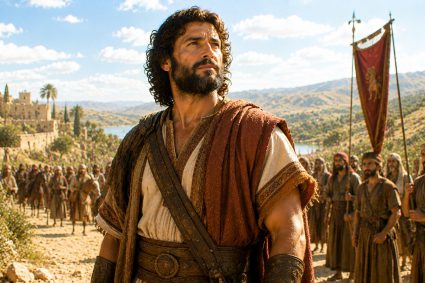
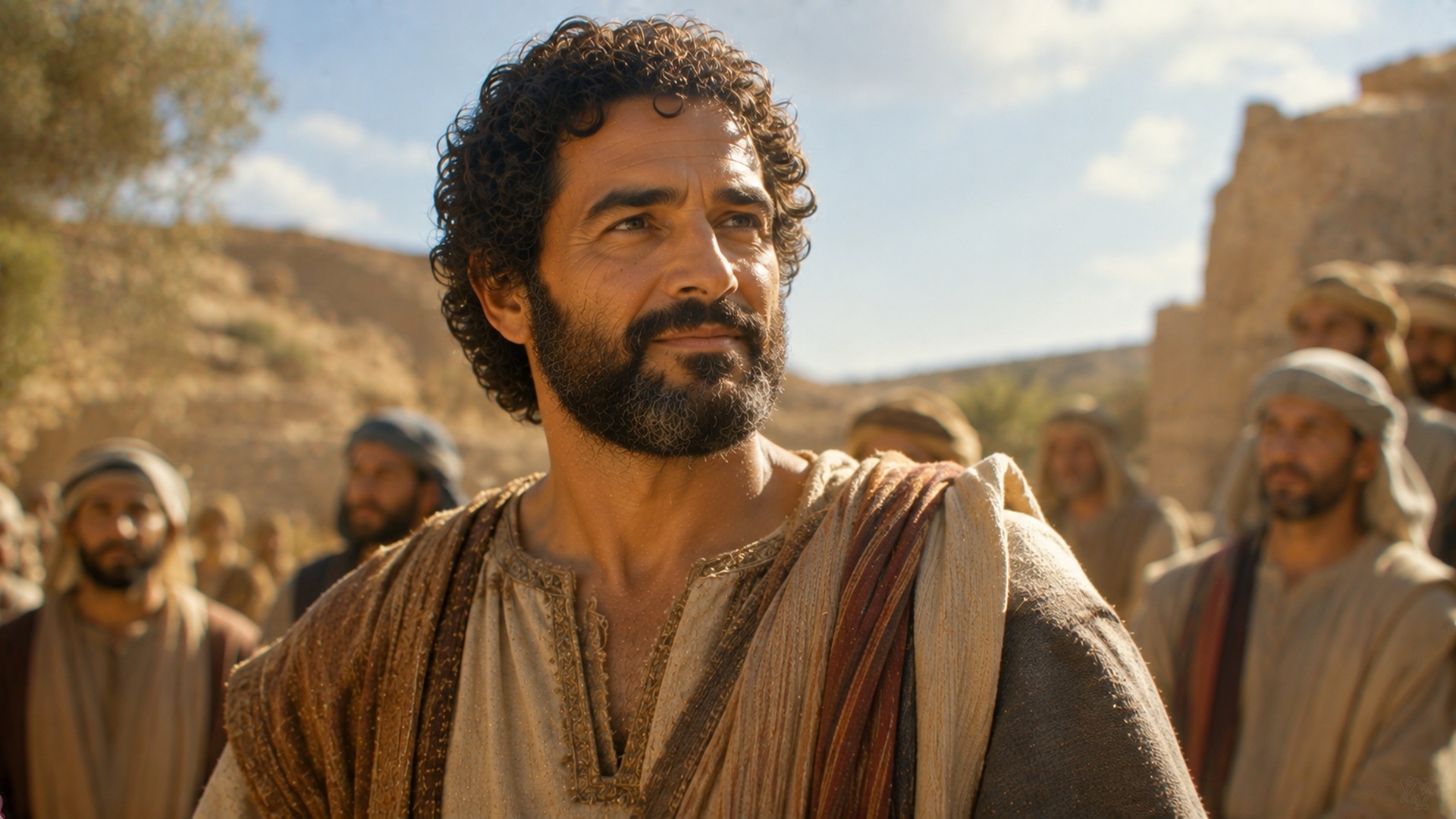
Philip was one of the seven men chosen for a special ministry in the early Christian church. The church in Jerusalem was growing, and a practical need arose concerning the daily care of the widows.
The apostles did not want to neglect the Word of God and prayer. They therefore sought men who had a good reputation and were full of the Holy Spirit and wisdom. Philip was among these men.
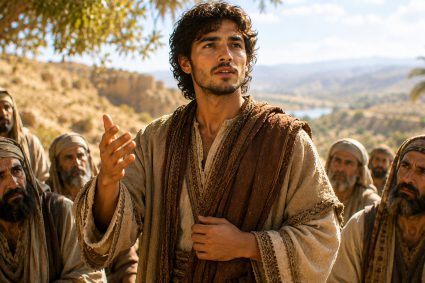
Following the persecution in Jerusalem, Philip was led to Samaria. There he proclaimed Christ, and many people listened to his message with joy.
Signs accompanied his ministry, people were delivered, the sick were healed, and great joy filled Samaria. In this way, the gospel crossed an important boundary.
Then an angel of the Lord directed Philip to a deserted road leading from Jerusalem down to Gaza. There he met an Ethiopian eunuch who was reading from the prophet Isaiah.
Philip asked him, “Do you understand what you are reading?” Beginning with that passage of Scripture, he explained the gospel of Jesus to him.
The man believed, was baptized, and continued on his way rejoicing. Philip demonstrates that God may send a servant both to a great revival and to one individual who is searching for truth.
🔥 The Decisive Moment
Philip obeys God’s guidance, leaves behind the visible success in Samaria, and explains the gospel of Jesus to a searching man on a deserted road.
✨ 7 Remarkable Facts About Philip
- He was one of the seven chosen servants of the church
- He had a good reputation and was full of the Holy Spirit and wisdom
- He proclaimed Christ in Samaria
- He experienced great joy and spiritual fruit through his ministry
- He obeyed God’s direction to take the road to Gaza
- He explained the Scriptures to the Ethiopian eunuch
- He later became known as an evangelist
⚖️ Strengths & Weaknesses
✔ obedient
✔ evangelistic
✔ full of the Holy Spirit and wisdom
✔ willing to accept both great and small assignments
❌ little is reported about his personal inner life
❌ his ministry led him along unknown and challenging paths
❗ The Mistake That Defined Him
The Bible does not report any particular personal failure in Philip’s life.
➡️ His life is defined primarily by obedience, spiritual readiness, and the joy of leading people to Jesus.
📜 Key Verse
“Then Philip opened his mouth, and began at the same scripture, and preached unto him Jesus.” (Acts 8:35)
🧠 The Life Lesson
A servant of God must be willing to go wherever God leads—into a great city, a despised region, or to one searching person on a deserted road.
🎯 Application for Today
Pay attention to God’s guidance in your daily life. Your next assignment may not be on a large stage, but in a conversation with someone who wants to understand God’s Word.
❓ A Question for You
Whom could you help today to understand God’s Word better and see Jesus more clearly?
📌 Context
Philip ministered in the early church after Pentecost, especially during the persecution that followed the death of Stephen.
🔗 Connections
Philip is connected with the seven servants of the church, Stephen, Samaria, Simon the sorcerer, the Ethiopian eunuch, and the spread of the gospel beyond Jerusalem.
Conclusion:
Philip demonstrates that an obedient person can become a blessing for God in many different places. His life calls us to take God’s guidance seriously and to be willing to lead people patiently to Jesus.
Until tomorrow, when we meet the next biblical person! 📖
✨ The Life Story ✨
✨ The Life Story of Philip – Led by the Spirit, Sent to People ✨
🌄 A Servant in the Growing Church
Philip appears in the book of Acts during a time when the young church in Jerusalem was growing rapidly. Many people were coming to faith in Jesus, and this growth also brought practical challenges.
There were widows among the believers who needed to receive daily support. Dissatisfaction arose because some of them were being overlooked.
The apostles recognized that this need was serious, but they also did not want to neglect prayer and the proclamation of the Word. They therefore asked the church to select suitable men.
🕊️ Full of the Holy Spirit and Wisdom
The men they sought were not merely to possess practical abilities. They were to have good reputations and be full of the Holy Spirit and wisdom.
Philip was one of the seven men chosen for this ministry. His public service therefore began not on a large stage, but with a ministry of practical care.
This reveals an important truth: those who desire to serve God should not begin by seeking honor. Faithfulness often begins wherever people need practical assistance.
🔥 Persecution and Dispersal
Following Stephen’s death, severe persecution broke out against the church in Jerusalem. Many believers were scattered and forced to leave the city.
What appeared to be a setback became, in God’s hand, a means of spreading the gospel. Those who were scattered traveled from place to place, proclaiming the Word.
Philip was also led into a new chapter of his ministry through these events. The servant of the church became a messenger of the gospel in new places.
🏙️ Philip in Samaria
Philip went to Samaria and preached Christ there. This was significant because Jews and Samaritans had long regarded one another with distrust and rejection.
The gospel of Jesus, however, did not stop at old boundaries. Philip did not proclaim human prejudice, but Christ.
Many people listened attentively. Signs took place, unclean spirits came out, and people who were paralyzed or sick were healed. Great joy filled the city.
🌿 Joy Through the Gospel
Through Philip’s ministry, Samaria experienced a time of spiritual awakening. People who had previously been bound, sick, or confused were touched by the power of the gospel.
The joy in the city was not merely superficial excitement. It was the joy of seeing Christ reach, heal, and deliver people.
Philip demonstrates that an obedient servant of God can cross barriers that people have long considered impossible to overcome.
⚠️ Simon and the Danger of False Motives
In Samaria, Philip also met Simon, a man who had previously amazed the people with sorcery. Simon was also baptized, but it later became clear that his heart was still influenced by false motives.
This encounter shows that spiritual ministry brings joy, but also requires discernment.
Not every visible response is evidence of a renewed heart. The church therefore needs not only proclamation, but also spiritual clarity.
🏜️ The Call to the Deserted Road
In the midst of his fruitful work in Samaria, Philip received a surprising instruction. An angel of the Lord told him to take the road leading from Jerusalem down to Gaza.
This was a deserted road. From a human perspective, one might have wondered why Philip should leave the great spiritual movement in Samaria.
Philip obeyed, however. In doing so, he demonstrates that God’s guidance is more important than visible success. The Lord also sees the individual who is ready to understand His Word.
📖 The Ethiopian Eunuch
On this road, Philip met an Ethiopian eunuch who was a high-ranking official in the service of the queen of Ethiopia. This man had traveled to Jerusalem to worship and was now sitting in his chariot.
He was reading from the prophet Isaiah but did not understand whom the passage was describing. The Spirit then told Philip to approach the chariot.
Philip ran up to it and asked a simple but profound question: “Do you understand what you are reading?”
✋ A Question Opens the Heart
The eunuch honestly replied that he needed someone to guide him. He invited Philip to climb into the chariot and sit beside him.
Philip began with the passage the man was reading and proclaimed to him the gospel of Jesus.
This is a beautiful picture of spiritual guidance. Philip did not impose his own ideas upon the seeker, but led him from Scripture to Christ.
💧 Baptism Along the Road
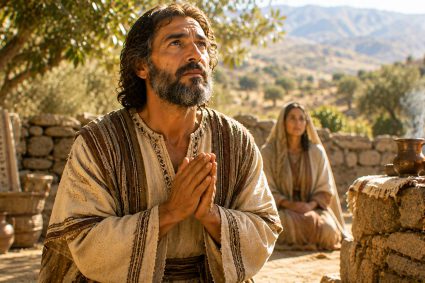
As they continued on their journey, they came to some water. The eunuch asked what prevented him from being baptized.
He had understood that Jesus is the center of Scripture and the Savior. They therefore both went down into the water, and Philip baptized him.
Afterward, the eunuch continued on his way rejoicing. One conversation on a deserted road became a moment of eternal significance.
🌍 Led Onward by the Lord
After the baptism, Philip was taken away by the Spirit of the Lord. The eunuch did not see him again, but continued his journey filled with joy.
Philip found himself at Azotus and proclaimed the gospel in every city until he reached Caesarea.
His life remained in motion. He was not bound to one place, one method, or one particular form of ministry. He allowed God to lead him.
🏠 Philip in Caesarea
Philip later appears again in Caesarea, where he is specifically called “the evangelist.” He had four daughters who prophesied.
Paul and his companions also stayed in his home. We therefore see Philip not only as a traveling preacher, but also as a man whose home was open to God’s work.
His ministry took many forms: practical assistance, public proclamation, personal Bible study, and generous hospitality.
✨ The Enduring Message of His Life
Philip demonstrates that God leads obedient people along surprising paths. He was willing to serve within the church, preach in Samaria, and explain the Scriptures to one man on a deserted road.
His story reminds us that God sees both the multitude and the individual. An entire city matters to the Lord, but so does one searching heart traveling in a chariot through the wilderness.
🌌 Closing Thought
Philip was a servant who did not cling to his own plans. He allowed the Lord to send him wherever he was needed.
Through him, joy came to Samaria, and a searching man from Ethiopia found the way to Jesus.
👉 His life story demonstrates that those who allow themselves to be led by God’s Spirit will encounter people precisely where their hearts are ready to recognize Christ.
