


















📅 July 16, 2026
📚 BELIEVE HIS PROPHETS
📖 Daily Bible Reading: 🙏 Job 20
⏳ The Deceptive Success of Evil
✨ When human judgments explain God’s ways too simplistically
🌐 Read online here
📍 Introduction
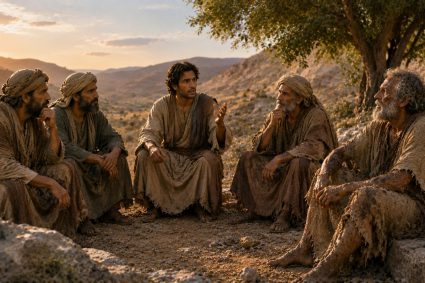
Zophar responds to Job for the second time. He is convinced that the prosperity of the wicked is short-lived and that God’s judgment will inevitably overtake them. His words contain important truths about God’s justice. Yet once again, he makes the mistake of interpreting Job’s suffering as proof of his guilt.
⋯⋯⋯⋯⋯⋯⋯⋯⋯⋯◆⋯⋯⋯⋯⋯⋯⋯⋯⋯⋯
🧵 Commentary
Zophar begins his speech by saying that Job’s words have deeply disturbed him. He feels challenged and wants to defend his point of view emphatically.
He explains that the success of the wicked is always temporary. Even if they enjoy power, wealth, and prestige for a time, their end will come suddenly. Their glory will disappear like a dream, and no one will remember them forever.
Using vivid imagery, Zophar describes how evil may seem sweet at first but later turns into bitter poison. In his view, wealth and injustice bring no lasting gain. Everything the wicked have acquired unjustly will be taken away from them.
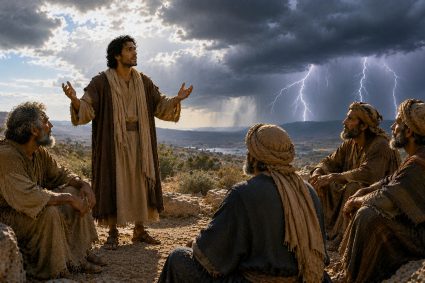
He then describes God’s judgment. No one can escape it. When the wicked believe they are finally safe, destruction will strike them unexpectedly. Heaven and earth themselves will testify against them.
In principle, it is true that God judges justly and that evil does not remain unpunished. However, Zophar makes the same mistake as Eliphaz and Bildad. He assumes that all suffering is a direct consequence of personal sin. Therefore, he completely misunderstands Job’s situation.
The reader already knows that Job is not suffering because of hidden sin. His suffering is part of a much greater story that Zophar does not know. This makes clear how limited human judgments can be.
Job chapter 20 reminds us that God’s justice is real. At the same time, it warns us not to apply God’s judgment too quickly to the lives of others. Only God knows people’s hearts and the full context of their lives.
⋯⋯⋯⋯⋯⋯⋯⋯⋯⋯◆⋯⋯⋯⋯⋯⋯⋯⋯⋯⋯
🧺 Summary
Job 20 contains Zophar’s second speech. He describes the seemingly brief success of the wicked and God’s certain judgment upon evil. His statements about God’s justice are generally correct, but he once again wrongly interprets Job’s suffering as the result of personal guilt.
⋯⋯⋯⋯⋯⋯⋯⋯⋯⋯◆⋯⋯⋯⋯⋯⋯⋯⋯⋯⋯
🔦 Message for Us Today
God’s justice remains certain, but we should be careful when applying His judgments to the lives of others. Not all suffering is punishment. True wisdom trusts that God acts justly, even when we do not fully understand His ways.
⋯⋯⋯⋯⋯⋯⋯⋯⋯⋯◆⋯⋯⋯⋯⋯⋯⋯⋯⋯⋯
📝 Reflection
Do you trust God’s justice even when you do not immediately understand why some people suffer or prosper?