
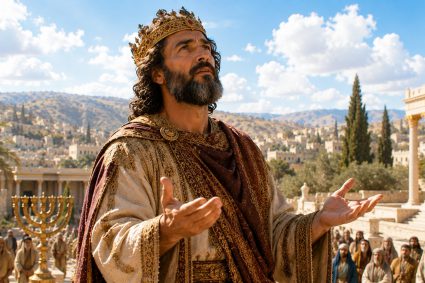
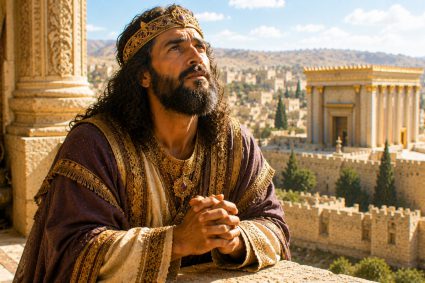
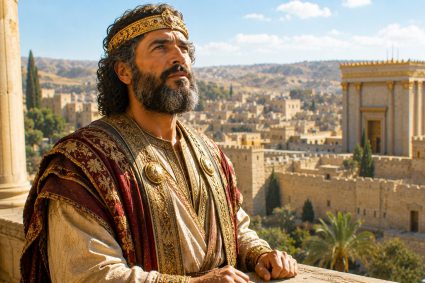




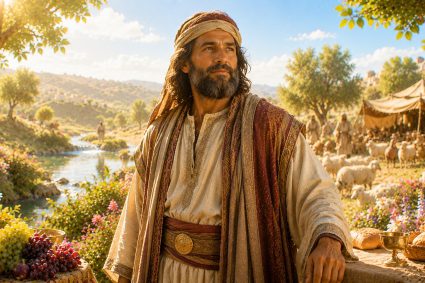




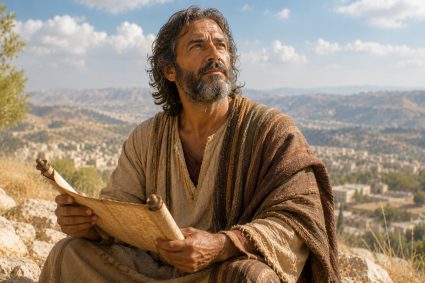
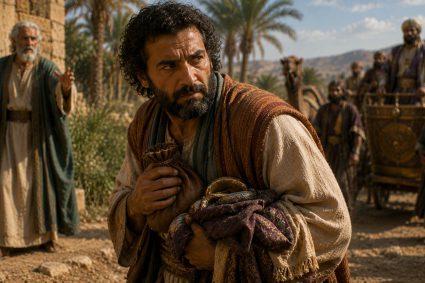
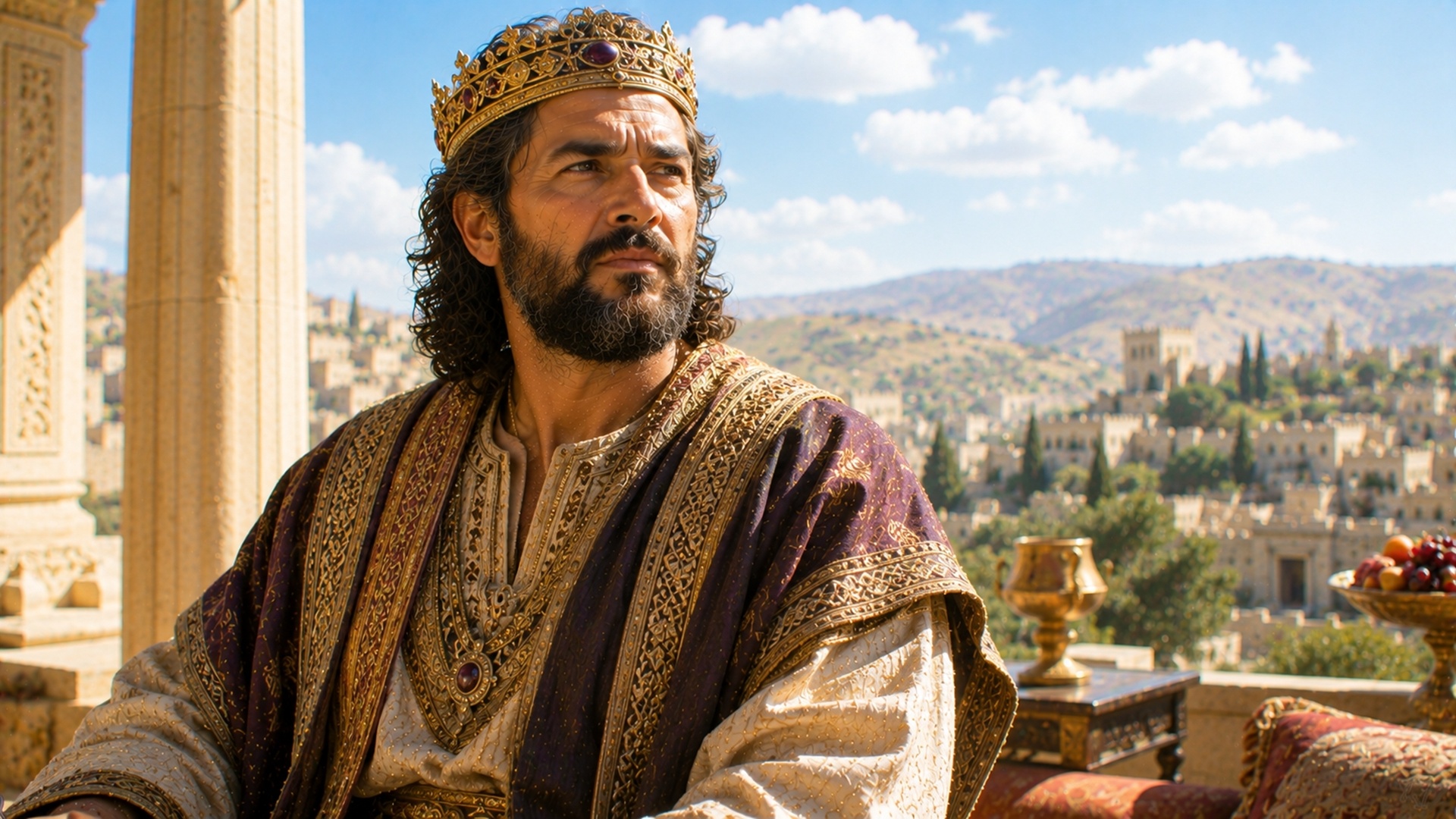
👤 The Biblical Person of the Day
👑 Jehoram – the king who chose a bad legacy
📌 Profile
- Name: Jehoram
- Time of birth: approx. 9th century BC
- Place of birth: probably Jerusalem
- Time of death: approx. 9th century BC
- Age: 40 years
- Occupation: King of Judah
📖 Short Story
Jehoram was the son of King Jehoshaphat and became king of Judah after him. His father had sought the Lord, instructed the people in God’s law, and experienced God’s help in a time of great distress.
But Jehoram did not follow in his father’s footsteps. He modeled himself after the house of Ahab, the godless royal house of Israel, because he was married to Athaliah, a daughter of Ahab.
When Jehoram established his rule, he killed his brothers and some of the leading men of Israel. Thus his reign began with bloodshed, fear, and a thirst for power.
He led Judah into idolatry and caused the people to turn away from the Lord. In this way, the good spiritual legacy of his father was severely damaged by his decisions.
During his reign, Edom and Libnah rebelled against Judah. The kingdom lost stability, and Jehoram’s leadership brought not blessing, but unrest and judgment.
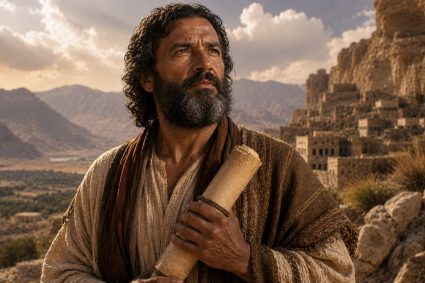
The prophet Elijah sent him a written message announcing God’s judgment upon his course. Jehoram had abandoned the ways of his father and his grandfather Asa and had led the people astray.
His life ended painfully and without honor. The Bible reports that he died without being mourned. His story is a serious warning against despising a good spiritual legacy and surrendering oneself to harmful influences.
🔥 The Decisive Moment
Jehoram chooses to reject the spiritual legacy of his father and follows the ways of the house of Ahab.
✨ 7 Special Things About Jehoram
- He was the son of Jehoshaphat
- He became king of Judah
- He was married to Athaliah from the house of Ahab
- He killed his brothers after taking power
- He led Judah into idolatry
- He experienced rebellions and loss of influence
- He died without honor and was not buried in the tombs of the kings
⚖️ Strengths & Weaknesses
✔ he had a good spiritual legacy through his father Jehoshaphat
✔ he possessed royal responsibility and influence
✔ he could have led Judah in the ways of God
✔ he probably knew the story of God’s help in his family
❌ violent and power-hungry
❌ despised God’s ways and followed harmful influences
❗ The Mistake That Defined Him
Jehoram abandoned the path of his father Jehoshaphat and inwardly aligned himself with the godless house of Ahab.
➡️ His story shows that a good legacy can be lost when a person deliberately opens himself to wrong influences and wrong paths.
📜 Key Verse
“And he walked in the way of the kings of Israel, as did the house of Ahab.” (2 Chronicles 21:6)
🧠 The Life Lesson
A good spiritual legacy protects only when a person personally accepts it and faithfully continues it.
🎯 Application for Today
Do not rely only on the good example of others. Choose God’s way for yourself and pay attention to the influences that shape your heart.
❓ Question for You
Which influences draw you closer to God, and which ones gradually pull you away from His way?
📌 Context
Jehoram ruled Judah after Jehoshaphat during the time of the divided kingdom. His reign was strongly shaped by his connection with the house of Ahab.
🔗 Connection
Jehoram is connected with Jehoshaphat, Ahab, Athaliah, Elijah, and the spiritual decline of Judah after a period of renewal.
Conclusion:
Jehoram shows that family background, position, and a good example are not enough if one’s own heart chooses the wrong path. His story calls us not to despise a godly legacy, but to carry it forward faithfully.
See you tomorrow with the next biblical person! 📖
✨ The Life Story ✨
✨ The Life Story of Jehoram – A King Who Left His Father’s Light Behind ✨
🌄 A Son of Jehoshaphat
Jehoram was born as the son of King Jehoshaphat. He therefore grew up in a household shaped by a significant spiritual legacy.
Jehoshaphat had sought the Lord, had the people instructed in God’s law, and in great danger had experienced how God delivered Judah. His family therefore had testimonies of prayer, trust, and divine help.
But a spiritual legacy does not automatically become a person’s own faith. Jehoram had to decide for himself whether he would continue in his father’s path or open himself to other ways.
👑 The Beginning of His Reign
When Jehoram became king, he received power, influence, and responsibility. He had the opportunity to strengthen Judah in faithfulness to the Lord.
But his beginning was dark. After securing his kingship, he killed his brothers and also some of the leading men.
This act revealed what was stronger in his heart than the fear of God: fear for his own power, distrust, and the determination to eliminate possible rivals.
💔 A Brother Becomes an Enemy
Jehoram’s violence against his brothers was especially serious because it struck his own family. Instead of protecting the house of David, he began his reign with bloodshed within his own family line.
In this, he was very different from a king who rules in trust in God. Whoever tries to secure his throne through fear reveals that inwardly he does not rest in God’s hands.
Jehoram’s decision destroyed trust, burdened his reign, and showed how dangerous uncontrolled ambition for power can become.
🏛️ The Influence of the House of Ahab
Jehoram was married to Athaliah, a woman from the house of Ahab. Through this connection, the spiritual influence of Israel’s godless royal house penetrated deeply into Judah.
Ahab and Jezebel had led Israel into idolatry and spiritual darkness. Instead of distancing himself from this path, Jehoram allowed himself to be shaped by it.
The connection with a corrupt house became a spiritual danger to Judah. Jehoram did not adopt the godliness of his father, but the ways of Ahab.
🔥 Judah Is Led Astray
Jehoram led Judah into idolatry. He built high places and caused the people to become unfaithful to the Lord.
As king, he bore responsibility not only for himself. His decisions had consequences for the entire nation.
When a leader takes the wrong path, he can pull many others along with him. Jehoram did not use his position to lead the people to God, but to lead them away from Him.
⚔️ Rebellions and Loss
During Jehoram’s reign, Judah began to lose stability. Edom rebelled against Judah and made itself independent.
Libnah also rebelled against him. These political losses were not merely external events, but were connected with Jehoram’s departure from the Lord.
His reign brought not peace and blessing, but unrest, rebellion, and weakening.
📜 The Letter of the Prophet Elijah
Jehoram received a written message from the prophet Elijah. In it, God’s judgment was announced to him.
The message reminded him that he had not walked in the ways of Jehoshaphat and Asa, but in the ways of the kings of Israel. His guilt concerning the death of his brothers was also mentioned.
God therefore saw not only the public idolatry, but also the bloodshed within his own family. Nothing was hidden from Him.
💔 Sickness and an End Without Honor
As foretold, Jehoram became seriously ill. His illness was prolonged and painful.
In the end, he died without being mourned by the people. Although he was buried in the City of David, he was not buried in the tombs of the kings.
This sober description of his end is deeply disturbing. A king may possess power and yet live a life that ultimately leaves behind no love, no honor, and no grateful remembrance.
🕯️ A Lost Legacy
Jehoram’s life is especially tragic because he could have known better. He came from the house of Jehoshaphat and had a spiritual legacy before his eyes.
But instead of preserving this legacy, he rejected it through wrong alliances, idolatry, and violence.
His story reminds us that a person is shaped not only by what he receives, but also by what he consciously chooses.
✨ The Lasting Message of His Life
Jehoram shows that a good beginning within a family does not guarantee that a person will continue well. Spiritual role models are a gift, but their example must be personally accepted.
His story warns against harmful alliances, the hunger for power, and contempt for a good spiritual legacy. Whoever abandons God’s light can, despite holding a high position, fall into darkness both inwardly and outwardly.
🌌 Closing Thought
Jehoram was the son of a king who sought the Lord. He could have continued on a good path, but instead he chose the influence of the house of Ahab and the way of violence.
His life ended without honor because he despised God’s ways and led people into sin.
👉 His life story shows: A good spiritual legacy is a precious gift, but it remains alive only when we personally accept it and faithfully carry it forward.
