



👤 The Biblical Person of the Day
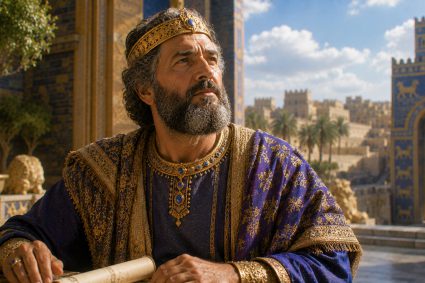
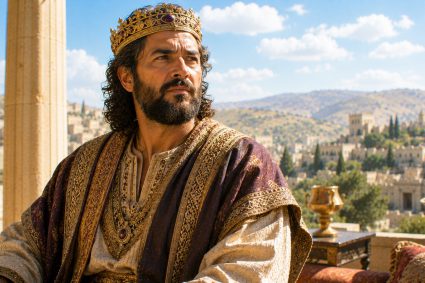
👑 Cyrus – The King Whom God Called by Name
📌 Profile
- Name: Cyrus
- Time of Birth: approximately the 6th century BC
- Place of Birth: Persia
- Time of Death: approximately 530 BC
- Age: approximately 70 years
- Occupation: King of Persia
📖 Short Story
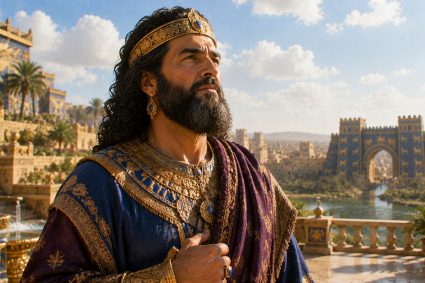
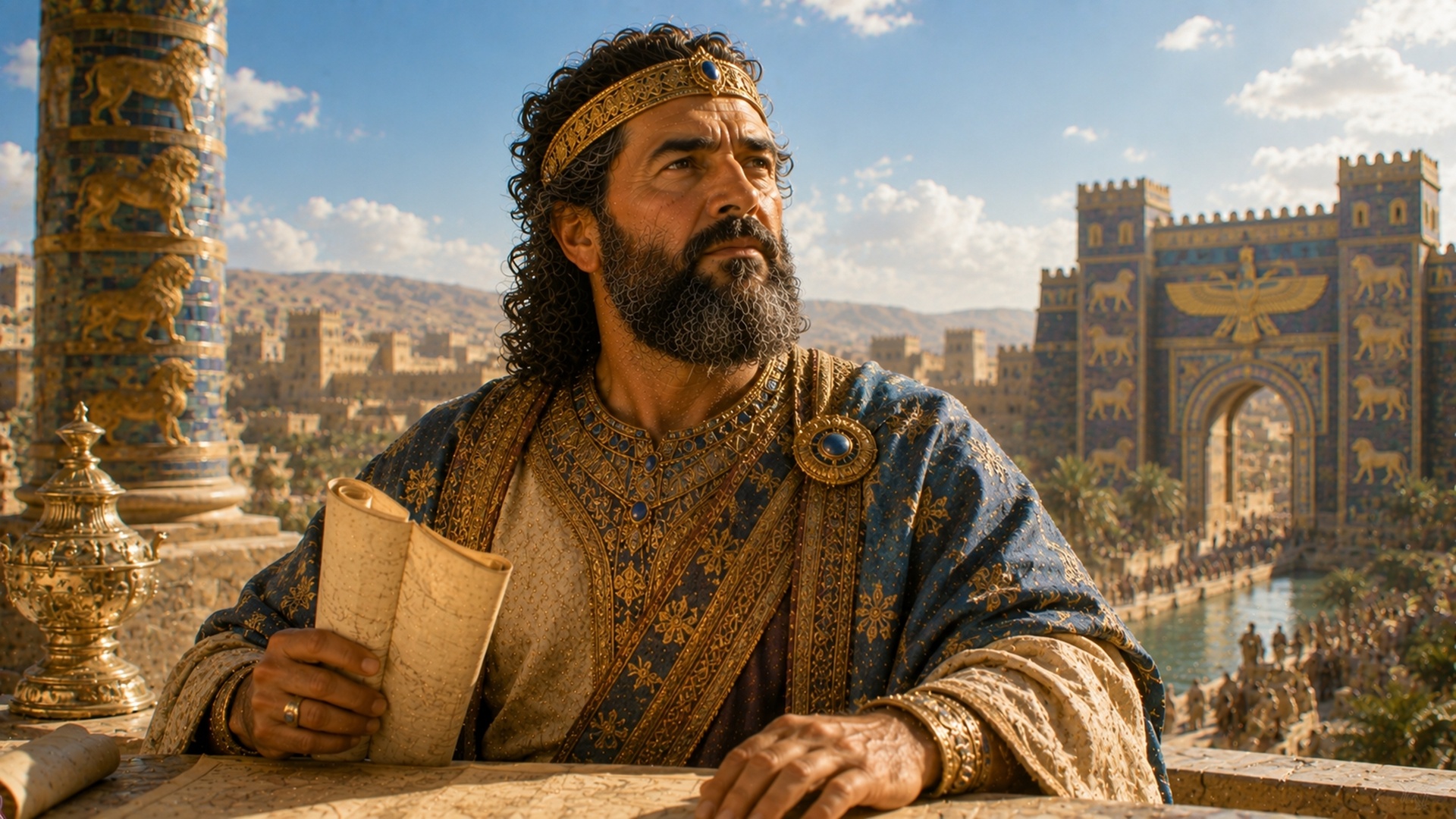
Cyrus was king of Persia and became one of the most important rulers of his time. Under his leadership, Persia rose to become a world power, and Babylon fell into his hands.
In the biblical account, however, Cyrus is important not only as a powerful king. He is especially remembered because God used him for a special mission.
Through the prophet Isaiah, Cyrus was called by name long before he appeared in history as a ruler. God described him as an instrument through whom His purposes would be accomplished.
After the fall of Babylon, Cyrus issued a remarkable decree. He permitted the Jews to return from exile to Jerusalem and rebuild the temple of the Lord.
In this way, God’s Word was fulfilled. The people who had been led into captivity because of their unfaithfulness were permitted, through God’s mercy, to experience a new beginning.
Cyrus was not a king from the house of David and did not belong to the people of Israel. Nevertheless, God directed his heart and used his political power to accomplish His divine plan.
His story shows that God holds kings, empires, and world history in His hands. He can use people who do not fully know Him to fulfill His promises.
🔥 The Decisive Moment
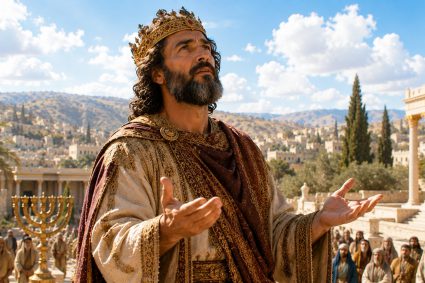
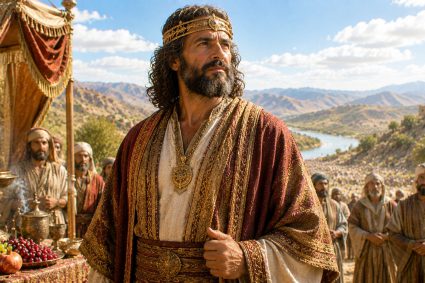
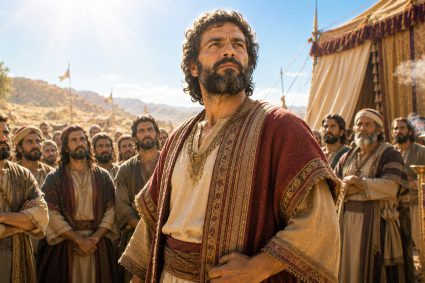
Cyrus issues the decree permitting the Jews to return to Jerusalem and rebuild the temple.
✨ 7 Remarkable Facts About Cyrus
- He was king of Persia
- He conquered Babylon
- He was prophetically called by name through Isaiah
- He was used by God as an instrument for His plan
- He permitted the Jews to return to Jerusalem
- He commissioned the rebuilding of the temple
- His story shows that God rules over the empires of the world
⚖️ Strengths & Weaknesses
✔ was generous toward the returning Jews
✔ was open to the mission that God accomplished through him
✔ acted as an instrument of divine providence
✔ made a new beginning possible after the exile
❌ remained a pagan ruler with limited knowledge of God
❌ his exercise of power was part of a vast world empire
❗ The Mistake That Shaped Him
The Bible does not record a specific personal failure of Cyrus in connection with his mission for Judah.
➡️ His story is shaped primarily by the fact that, despite his pagan background, God used him as an instrument to fulfill His promise.
📜 Key Verse
“Thus says the LORD to His anointed, to Cyrus, whose right hand I have held.” (Isaiah 45:1)
🧠 The Life Lesson
God is the Lord of history. He can direct kings, empires, and political decisions so that His promises are fulfilled.
🎯 Application for Today
Trust that God is working even where you do not expect Him to be. He can open doors, move hearts, and prepare paths that appear humanly impossible.
❓ Question for You
Where do you need to trust today that God’s hand is at work even behind momentous circumstances and powerful decisions?
📌 Context
Cyrus lived near the end of the Babylonian exile. His decree initiated the return of the Jews to Jerusalem and the rebuilding of the temple.
🔗 Connections
Cyrus is connected with Isaiah, Jeremiah, Daniel, Ezra, the fall of Babylon, the return from exile, and the rebuilding of the temple.
Conclusion:
Cyrus shows that God’s plan is greater than human boundaries. The Lord can use a Persian king to lead His people home and fulfill His Word.
See you tomorrow with the next biblical person! 📖
✨ The Life Story ✨
✨ The Life Story of Cyrus – A King as an Instrument of God ✨
🌄 A Ruler from Persia
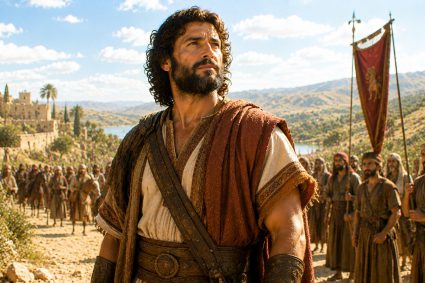
Cyrus came from Persia and became one of the great kings of the ancient world. Under his leadership, the Persian Empire rose to become a power that transformed the political order of many nations.
To the peoples of his time, Cyrus was a successful conqueror and ruler. The Bible, however, reveals an even deeper reality behind his story.
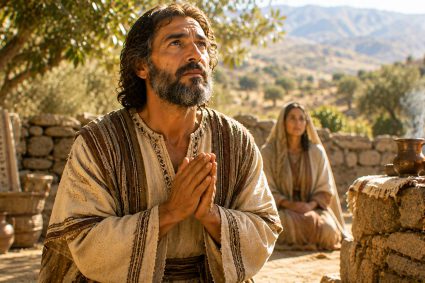
Cyrus was not merely a king seated upon a throne. Although he did not come from Israel, he became an instrument in God’s hands.
📜 A Name in Prophecy
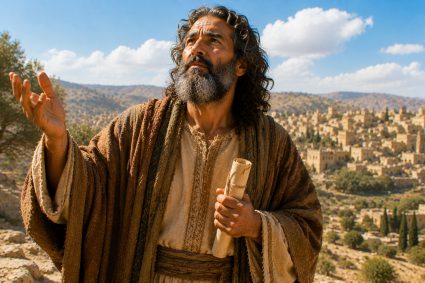
The remarkable thing about Cyrus is that the prophet Isaiah had already mentioned him by name. God spoke about him before he appeared as Judah’s liberator.
The Lord described him as someone whom He would take by the right hand. This makes it clear that Cyrus did not act by mere coincidence.
What appeared to human beings as international politics stood under God’s providence. The Lord knew the king’s name before the king understood his mission.
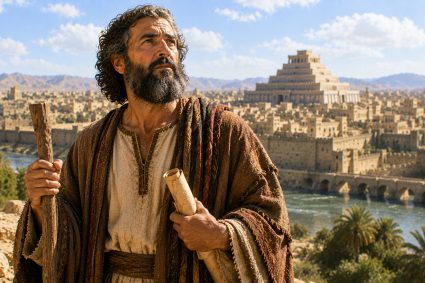
🏙️ The Fall of Babylon
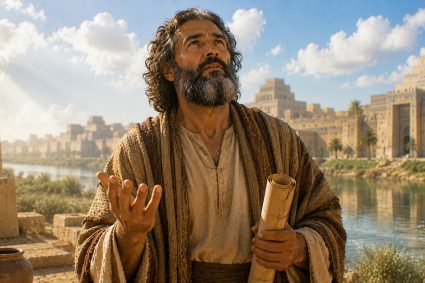
Babylon was the city that had defeated Jerusalem and led many Jews into captivity. For the exiles, Babylon symbolized loss, captivity, and life in a foreign land.
No earthly empire, however, lasts forever. When the appointed time arrived, Babylon fell, and power passed to the Medes and Persians.
This change of power opened a new chapter in the history of God’s people. Through God’s hand, what had appeared to be the end became a path leading home.
🕊️ The Decree of Cyrus
In the first year of his reign, Cyrus issued a decree. He declared that the Lord, the God of heaven, had given him all the kingdoms of the earth and had commissioned him to build a house for Him in Jerusalem.
The Jews who were willing were therefore permitted to travel to Jerusalem and rebuild the temple of the Lord.
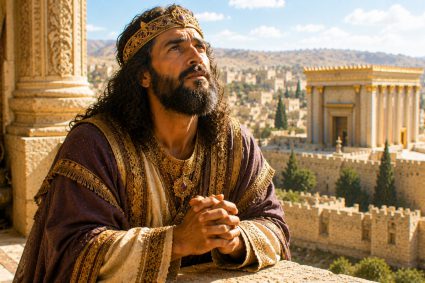
This decree marked a turning point. After years of captivity, an open door once again led toward their homeland, the temple, and worship.
🏗️ The Commission to Rebuild
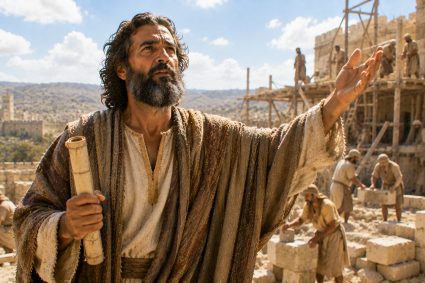
Cyrus not only permitted the Jews to return but also supported the rebuilding project. The temple vessels that Nebuchadnezzar had once taken from Jerusalem were returned.
This demonstrated that God had not forgotten what had been lost. Even the sacred vessels that had been carried to Babylon were to return to their proper place.
The rebuilding of the temple began not merely with human longing, but with a decision of a king guided by God.
🌿 Returning After a Long Captivity
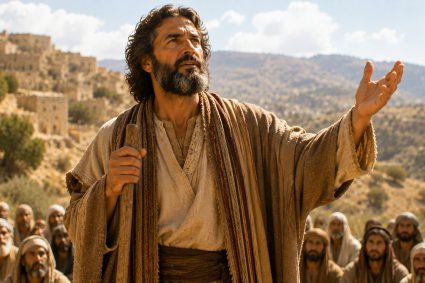
For the Jews, the decree of Cyrus brought hope after a long period of sorrow. Families could prepare to return to Jerusalem.
The journey was not easy. The city lay in ruins, the temple had to be rebuilt, and many difficulties awaited them.
But the most important thing had already happened: God had opened the door. When the Lord prepares a way, hope begins even among the ruins.
👑 A Pagan King in God’s Hands
Cyrus did not belong to the people of Israel. He was not a son of David, a priest, or a prophet.
And yet God used him. This shows that God’s rule is not restricted by visible religious boundaries.
The Lord can also direct people outside His covenant people so that His will is accomplished. He is not merely the God of the temple, but the Lord over all the kingdoms of the earth.
📖 The Fulfillment of a Divine Promise
The return from exile was not merely a political decision. It was connected with the promises God had given through His prophets.
Jeremiah had announced that the captivity would not continue forever. Isaiah had called Cyrus by name. The time had now come for God’s Word to become visible.
Cyrus reminds us that God sometimes fulfills His promises through paths that people would never have expected.
🌍 God Directs World History
The story of Cyrus opens our eyes to God’s work throughout history. Empires rise and fall, kings make decisions, and borders shift—but God never loses control.
People often see only political power, military strength, and human plans. The Bible reveals that above all these stands the Lord, who holds times and seasons in His hands.
Cyrus became an example of how God can use even secular power to give His people a future.
✨ The Enduring Message of His Life
Cyrus shows that God can open doors that have remained closed for a long time. He can move a king, bring a decree into existence, and lead a people home from captivity.
His story reminds us that no exile, world power, or closed door is stronger than God’s plan. When God’s time has come, He can prepare paths that no one had previously seen.
🌌 Closing Thought
Cyrus was a Persian king, but God knew his name and used him to bring His people home.
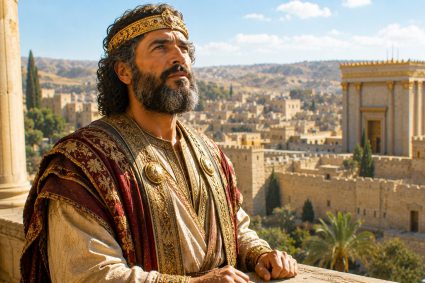
His decree began a new chapter: Jerusalem was to be rebuilt, the temple restored, and God’s promise made visible.
👉 His life story shows us that God is the Lord of history and can even use kings to open closed doors and fulfill His promises.
