







📅 August 26, 2026
📚 BELIEVE HIS PROPHETS
📖 Daily Bible Reading: 🎵 Psalm 19
🌞 The Heavens Declare the Glory of God
✨ Creation and the Word Together Lead Us to the Creator
🌐 Read online here
🌅 Introduction
Psalm 19 connects two great ways in which God reveals Himself to humanity: creation and His Word. David first turns his eyes toward the heavens and recognizes the glory of the Creator there. He then turns to the law of the Lord and describes how God’s Word restores the heart, gives wisdom, and leads people along the right path. At the end, the psalm becomes deeply personal: David asks God to reveal even the hidden faults within his heart and to make his entire life pleasing before Him. Psalm 19 thus leads us from wonder at creation to self-examination before God.
⋯⋯⋯⋯⋯⋯⋯⋯⋯⋯◆⋯⋯⋯⋯⋯⋯⋯⋯⋯⋯
🔍 Commentary
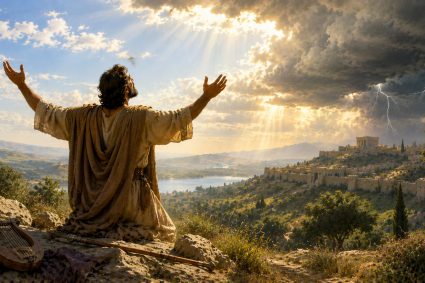
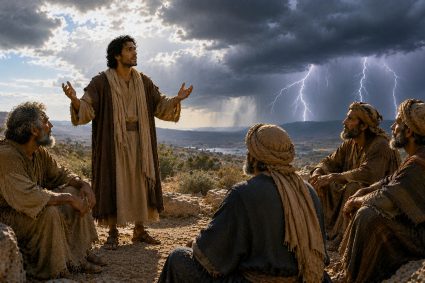
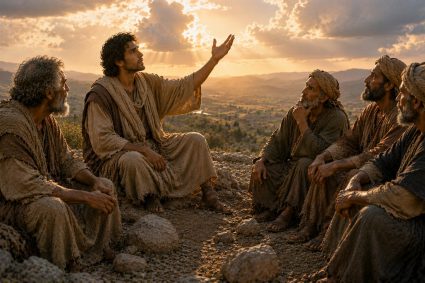
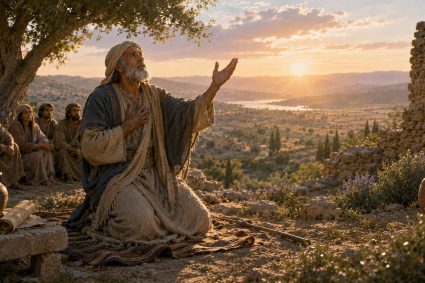
David begins with one of the best-known statements in the Psalms: “The heavens declare the glory of God; and the firmament shows His handiwork.” Creation speaks without using words. The heavens, the sun, the day, and the night all carry a message: Behind this order, beauty, and greatness stands a Creator.
Day after day and night after night, this testimony continues to be proclaimed. It is not restricted to any particular language or culture. People everywhere on earth can see the greatness of creation and recognize within it evidence of God’s power and wisdom.
David especially emphasizes the sun. It comes forth like a bridegroom leaving his chamber and rejoices like a strong man running his course across the sky. Its warmth reaches the whole earth. David is not describing a deity, but a created object that points to its Creator.
The focus of the psalm then changes. Creation reveals God’s power, but His Word reveals His will even more clearly. David speaks about the law, testimony, statutes, commandment, and judgments of the Lord. These different terms describe the same divine revelation from various perspectives.
The law of the Lord is perfect and “converts the soul.” God’s Word is not intended to destroy or oppress people, but to restore them. It brings the inner life back into its proper order.
The testimony of the Lord is sure and makes the simple wise. Biblical wisdom means more than knowledge. It is the ability to see life from God’s perspective and make right decisions.
The statutes of the Lord are right and rejoice the heart. God’s commandments are not presented here as a burden. Those who come to know God’s character discover that His instructions provide protection, direction, and life.
David also describes God’s Word as pure and enlightening. It brings light into areas that we often fail to recognize clearly ourselves. It exposes self-deception, corrects false thoughts, and reveals a better way.
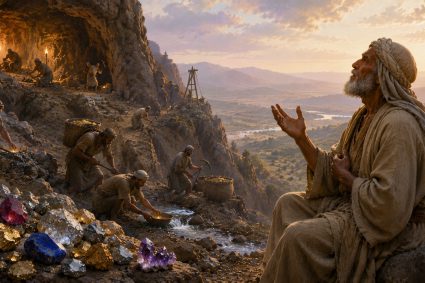
David then uses two comparisons to express the value of God’s Word. It is more precious than gold and sweeter than honey. In other words, God’s truth is more valuable than material wealth and more satisfying than the most pleasant things in life.
God’s Word, however, is not only pleasant. It also warns us. David recognizes that obedience has consequences and that God’s instructions protect people from paths that would destroy them.
At this point, the psalm becomes personal. After first looking at the heavens and then examining God’s Word, David now examines himself.
He asks, “Who can understand his errors?” This question reveals great humility. We are not immediately aware of every sin. We may have blind spots, misjudge ourselves, or overlook motives that God has already recognized.
David therefore prays, “Cleanse me from secret faults.” He desires to be freed not only from obvious errors, but also from those that escape his own notice.
He then speaks about presumptuous sins. These are deliberate and proud transgressions of God’s will. David asks that such sins not rule over him. In doing so, he recognizes that sin can gain power when it is not decisively surrendered to God.
The psalm finally ends with a prayer encompassing the whole of life: “Let the words of my mouth and the meditation of my heart be acceptable in Your sight, O LORD, my strength and my Redeemer.” Not only his visible words, but also his inward thoughts are to please God.
The circle is thus completed. The God whose glory is visible in the heavens and whose will is revealed in His Word is also to be recognized and honored within the human heart.
Psalm 19 therefore reveals three dimensions of divine revelation: God speaks through creation, through His Word, and finally directly to the human conscience. Those who look and listen attentively are led from wonder to understanding and from understanding to personal surrender.
⋯⋯⋯⋯⋯⋯⋯⋯⋯⋯◆⋯⋯⋯⋯⋯⋯⋯⋯⋯⋯
📌 Summary
Psalm 19 describes how creation proclaims God’s glory and how His Word renews the inner life. Nature reveals God’s power, Scripture reveals His will, and both lead to personal self-examination. David finally asks God to uncover even his hidden faults and transform both his words and thoughts so that his entire life may be pleasing to the Lord.
⋯⋯⋯⋯⋯⋯⋯⋯⋯⋯◆⋯⋯⋯⋯⋯⋯⋯⋯⋯⋯
💡 Message for Us Today
We live in a world filled with information, but Psalm 19 reminds us where reliable guidance can be found. Creation invites us to marvel at God’s greatness, while His Word shows us how to live. What matters most, however, is that this understanding reaches our hearts. God’s Word is not merely meant to be read; it must also be allowed to work within us. It is intended to examine hidden thoughts, expose sin, and renew our inner lives. Those who recognize God as Creator, Rock, and Redeemer do not ask merely for outward success, but that even the most hidden areas of their lives may be pleasing to Him.
⋯⋯⋯⋯⋯⋯⋯⋯⋯⋯◆⋯⋯⋯⋯⋯⋯⋯⋯⋯⋯
💭 Thought for Reflection
Am I willing to allow God to examine and transform not only my visible actions, but also my hidden thoughts and motives?
