


👤 The Biblical Person of the Day
⚠️ Haman – The Man Whose Pride Led to His Fall
📌 Profile
- Name: Haman
- Born: approximately 6th–5th century BC
- Place of birth: unknown
- Died: approximately 5th century BC
- Age: unknown
- Occupation: high-ranking official in the Persian Empire
📖 Brief Story
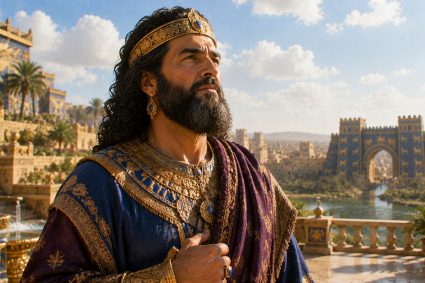
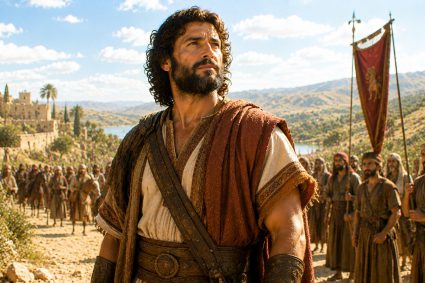
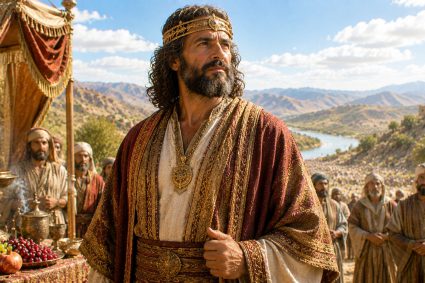
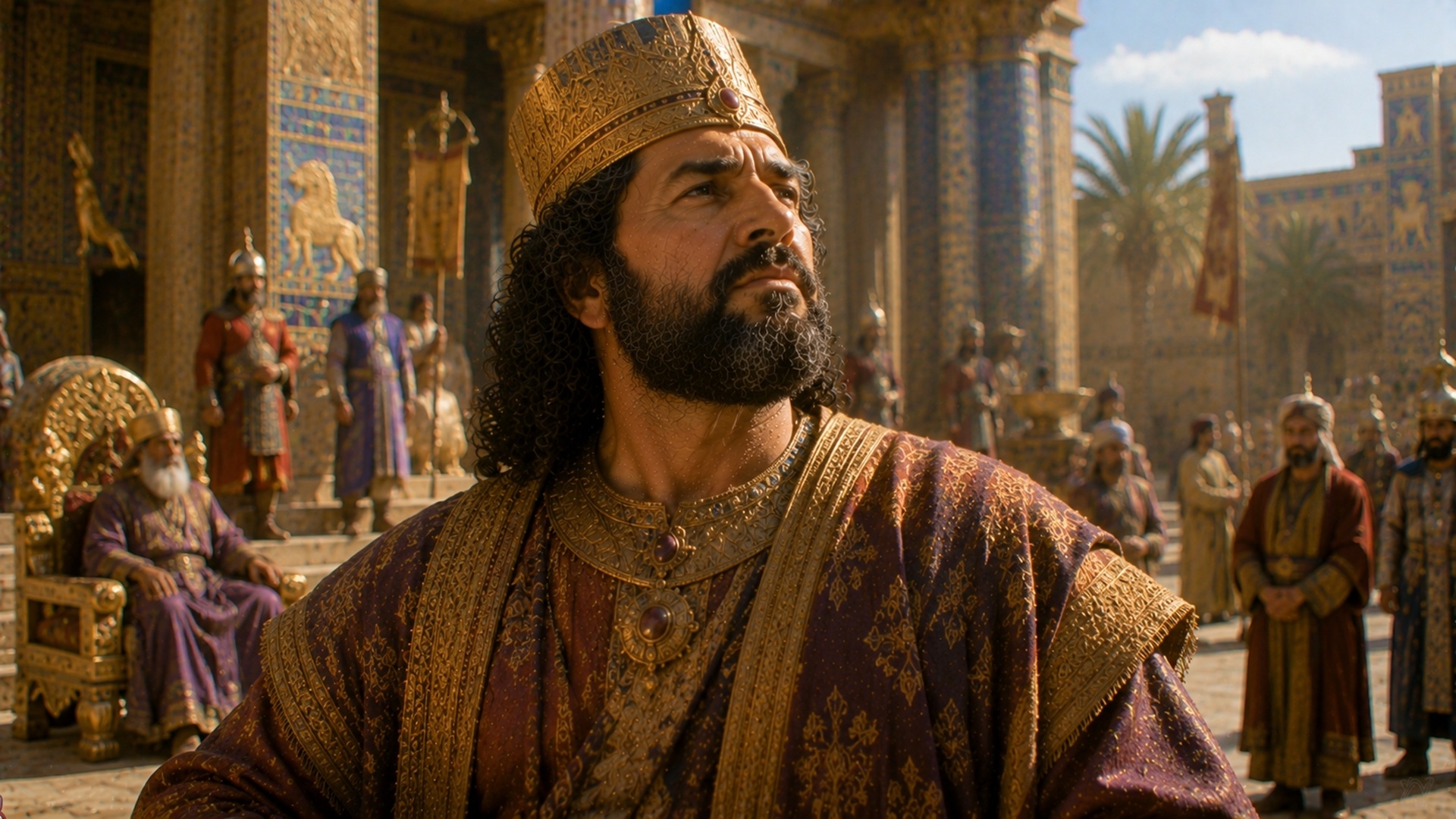
Haman was a high-ranking official at the court of the Persian king Ahasuerus. The king promoted him above many of the princes, and all the king’s servants at the royal gate were expected to bow down before him.
Mordecai, however, was a Jew and refused to bow down before Haman. This refusal wounded Haman’s pride so deeply that he wanted to punish not only Mordecai, but the entire Jewish people.
Haman was a man whose heart was ruled by honor, recognition, and power. He could not enjoy his high position as long as even one person refused to give him the honor he desired.
He persuaded the king to issue a decree ordering the destruction of the Jews throughout the Persian Empire. Using seemingly political arguments, he concealed his personal hatred.
At home, Haman boasted about his wealth, his sons, his position, and Queen Esther’s invitation. Yet none of these things meant anything to him as long as Mordecai remained seated at the king’s gate.
Following the advice of his wife and friends, he had a tall gallows erected for Mordecai. He planned to destroy his enemy publicly.
God, however, directed the events differently. Haman was forced to honor Mordecai, was exposed by Esther, and ultimately died on the gallows he himself had prepared for Mordecai.
🔥 The Decisive Moment
Haman plans Mordecai’s death, but his own pride and intrigue ultimately bring about his downfall.
✨ 7 Remarkable Facts About Haman
- He was a high-ranking official in the Persian Empire
- He was especially exalted by King Ahasuerus
- He demanded honor and submission from others
- He hated Mordecai because of his steadfastness
- He planned the destruction of the Jewish people
- He had a gallows erected for Mordecai
- He died on the gallows he had prepared himself
⚖️ Strengths & Weaknesses
✔ possessed great influence at the royal court
✔ was ambitious and politically skillful
✔ was able to persuade people to support his plans
✔ held a high position in the empire
❌ proud, envious, and vindictive
❌ abused his power in an attempt to destroy an entire people
❗ The Mistake That Defined Him
Haman allowed wounded pride to become hatred, hatred to become intrigue, and intrigue to become a plan to murder an entire people.
➡️ His story shows that pride blinds a person and can ultimately lead him into the very trap he has set for others.
📜 Key Verse
“So they hanged Haman on the gallows that he had prepared for Mordecai.” (Esther 7:10)
🧠 The Life Lesson
Pride, envy, and vindictiveness first destroy the heart and eventually destroy the person himself. Those who set a trap for others may ultimately fall into it themselves.
🎯 Application for Today
Pay attention to whether wounded pride is controlling your thoughts. Ask God to free you from envy, thoughts of revenge, and the desire for human honor.
❓ A Question for You
Where do you need to let go of wounded pride today before it develops into bitterness or revenge?
📌 Context
Haman lived during the time of the Persian Empire under King Ahasuerus. His story is closely connected with Esther, Mordecai, and the deliverance of the Jewish people.
🔗 Connections
Haman is connected with King Ahasuerus, Esther, Mordecai, the Jewish people, and the origin of the Feast of Purim.
Conclusion:
Haman demonstrates how dangerous pride and the abuse of power can become. His story is a serious warning: those who act out of envy and hatred not only destroy others, but ultimately bring destruction upon themselves.
Until tomorrow, when we meet the next biblical person! 📖
✨ The Life Story ✨
✨ The Life Story of Haman – Pride Before the Fall ✨
🌄 A Man at the Persian Court
Haman lived at the court of the Persian king Ahasuerus. He was not an insignificant man, but was promoted to become one of the highest-ranking figures in the empire.
The king gave him a position that placed him above many others. Everyone sitting at the king’s gate was expected to bow down before Haman and show him honor.
This marked the visible height of his life. Yet it was precisely this elevated position that revealed what was hidden within his heart.
👑 A Dangerous Exaltation
Being promoted is not in itself a sin. A person may receive a high position and use it with humility, justice, and responsibility.
In Haman’s case, however, his high position became fertile ground for his pride. He demanded recognition and could not tolerate anyone refusing to give him that honor.
His sense of worth was not founded upon truth, but upon the admiration of others. For this reason, one man who refused to bow was enough to poison his heart.
🛡️ Mordecai Refuses to Bow
Mordecai, the Jew, refused to bow down before Haman. To Haman, this was an unbearable insult.
He did not first see a man acting according to his conscience and convictions. He saw only an affront to his own greatness.
Instead of asking why Mordecai acted as he did, Haman allowed his pride to grow. Wounded honor became anger, and anger became hatred.
💔 Hatred Against an Entire People
Haman’s reaction was horrifying. He wanted not only to punish Mordecai, but to destroy every Jew in the empire.
This reveals how excessive a heart can become when ruled by hatred. A personal conflict became a plan to annihilate an entire people.
Haman disguised his hatred in political language. He portrayed the Jews as dangerous and different so that the king would approve his plan.
📜 The Deadly Decree
Haman persuaded the king to issue a decree. On a specific day, all the Jews throughout the Persian Empire were to be killed.
Letters were sent to the provinces, and confusion spread throughout Susa. While Haman and the king sat drinking, the threatened people mourned.
Here the coldness of Haman’s heart becomes visible. He could prepare a death sentence for countless people and then apparently continue living without concern.
🏠 Pride Within His Own House
At home, Haman spoke about his wealth, his many sons, his high position, and the fact that even Queen Esther had invited him to a special banquet.
Then, however, he spoke a sentence that revealed his inner condition: none of these things meant anything to him as long as he saw Mordecai sitting at the king’s gate.
This is the nature of pride. It may possess much and still remain inwardly poor because it obsesses over the one thing it does not have.
🪵 The Gallows for Mordecai
Following the advice of his wife and friends, Haman had an extremely tall gallows erected. The next morning, he intended to ask the king to have Mordecai hanged upon it.
Haman believed that he had everything under control. The gallows stood ready, his plan had been prepared, and his pride expected satisfaction.
While Haman was making his plans, however, God was already working behind the scenes. That very night, the king could not sleep.
🌙 A Sleepless Night
The king ordered the royal chronicles to be read to him. It was then discovered that Mordecai had once uncovered a conspiracy against the king but had never been honored for it.
When Haman arrived in the morning, he intended to request Mordecai’s death. Before he had the opportunity, however, the king asked him what should be done for the man whom the king desired to honor.
In his pride, Haman assumed that the king could only be speaking about him. He therefore described a magnificent public ceremony of honor.
🐴 Haman Must Honor Mordecai
Then came a devastating blow to Haman’s pride: the king commanded him to bestow precisely this honor upon Mordecai.
Haman had to lead the man he wanted to destroy through the city on the king’s horse and publicly proclaim that this was what should be done for the man whom the king desired to honor.
This was more than a personal humiliation. It was a sign that Haman’s plan was beginning to collapse.
🍷 Exposed at the Banquet
During the banquet with Esther and the king, the truth came to light. Esther revealed that her people had been sold to be destroyed.
When the king asked who had dared to do such a thing, Esther identified Haman. The man who had felt so secure suddenly stood before the king as an enemy.
Haman was terrified. His intrigue was no longer hidden, and his power could not save him.
⚖️ His Own Trap
When the king learned about the gallows Haman had prepared for Mordecai, judgment was pronounced.
Haman was hanged on the very gallows he had erected for his enemy.
His end reveals a solemn truth: the path of pride does not lead to lasting honor, but to destruction. Those who seek to destroy others may themselves be destroyed by their own wickedness.
✨ The Enduring Message of His Life
Haman shows how dangerous pride becomes when it is not broken. He possessed rank, wealth, a family, and access to the king, yet his inner life remained controlled by one man who refused to bow before him.
His story warns us against nourishing wounded pride. Pride can produce envy, envy can become hatred, hatred can lead to injustice—and ultimately to judgment.
🌌 Closing Thought
Haman wanted to be great and see others bow down before him. His pride, however, blinded him, and his plans for revenge became the cause of his own downfall.
The gallows he prepared for Mordecai became the symbol of his own judgment.
👉 His life story demonstrates that pride may exalt a person for a time, but those who act out of envy and hatred will ultimately fall into the pit they have dug for others.
